End Stage Hip Dysplasia in Dogs
Symptoms, treatment options, life expectancy, and how to support comfort when hip dysplasia becomes severe
Help your dog stay comfortable with advanced hip dysplasia
Talk with a MedcoVet clinician about your dog’s pain, mobility, quality of life, and at-home support options.
Medically reviewed by: Kristy Williams, CVT, CCFT (Specialties: Pet rehabilitation, pain management, photobiomodulation)
Reviewed: [May 2026]
Updated: [May 2026]
What is end stage hip dysplasia in dogs?
End stage hip dysplasia in dogs is the most severe phase of canine hip dysplasia, where the hip joint has become permanently damaged and painful. Dogs with end stage hip dysplasia often have chronic pain, severe mobility loss, muscle weakness in the back legs, and trouble doing basic activities like standing, walking, or climbing stairs. A dog’s age can influence the severity of symptoms and the most appropriate treatment options for end stage hip dysplasia. Treatment focuses on pain management, mobility support, weight control, physical therapy, surgical options, and quality of life.
If your dog’s hip dysplasia has reached an advanced stage and you want to know if red light therapy may help support comfort:
Is red light therapy right for your dog?
Want help thinking through your dog’s symptoms and options?
Lucy
Hip dysplasia is diagnosed through a combination of physical examination, clinical signs, and diagnostic imaging such as X-rays.
What end stage hip dysplasia means
Hip dysplasia is a developmental joint condition. In a normal hip joint, the femoral head fits smoothly into the hip socket. This ball and socket joint should move with stability and comfort.
With hip dysplasia in dogs, the fit is loose or malformed. That joint laxity leads to abnormal motion, friction, joint cartilage damage, inflammation, arthritis, and pain. Developing hip dysplasia is influenced by genetics, breed susceptibility, and environmental factors. Early intervention can help slow its progression.
End stage hip dysplasia means the damage has progressed.
The hip joint may have severe arthritis, bone remodeling, loss of joint cartilage, joint pain, and major loss of joint mobility. Dogs with hip dysplasia at this stage need more aggressive support to manage pain and preserve quality of life.
The goal changes.
Earlier in life, care may focus on slowing progression and helping prevent hip dysplasia from getting worse. At the end stage, care focuses on reducing pain, supporting movement, improving daily comfort, and helping your dog live with as much joy as possible.
End stage hip dysplasia in dogs symptoms
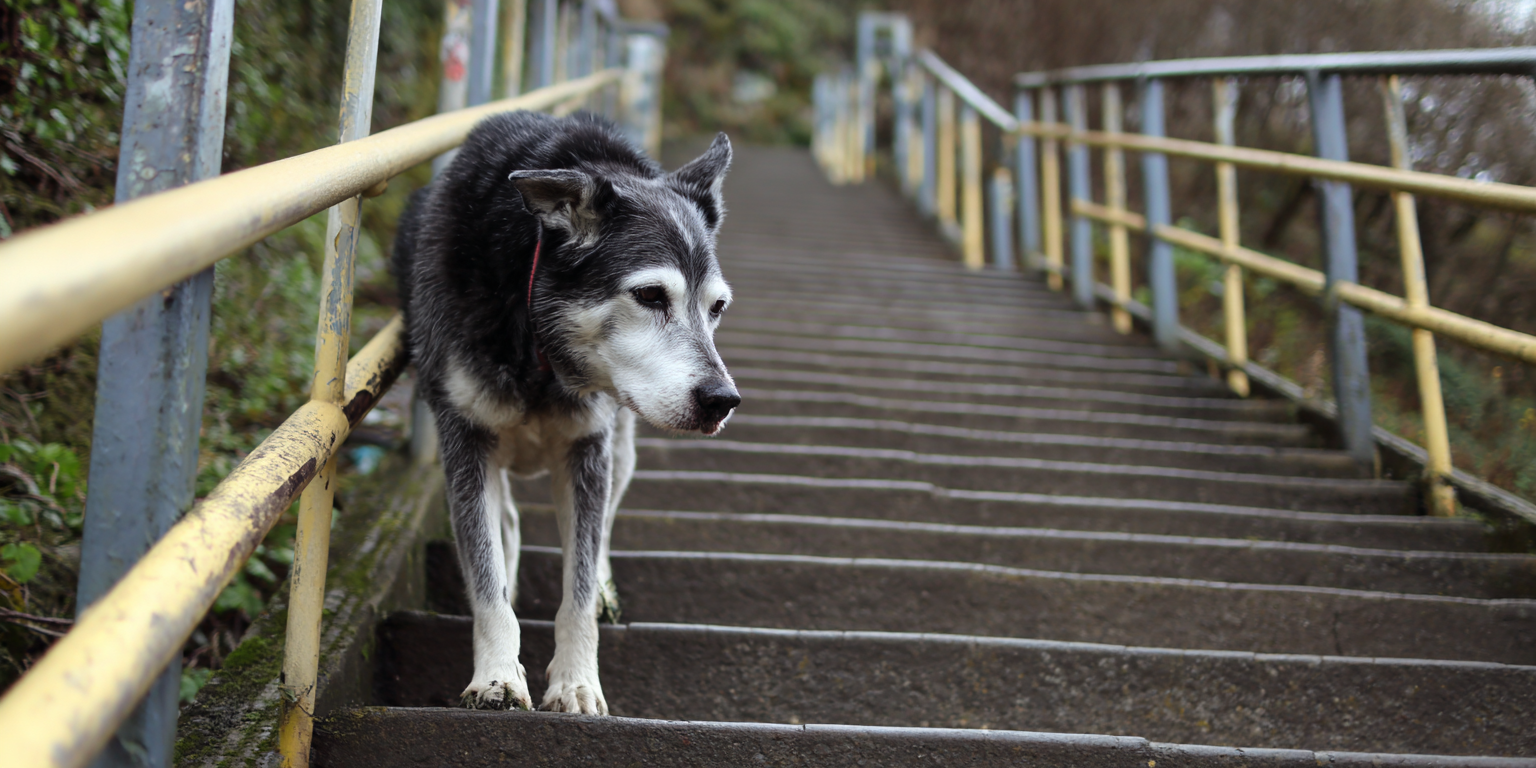
End stage hip dysplasia in dogs symptoms can be physical, behavioral, and emotional.
Common signs include:
- Severe pain in the hips
- Trouble standing without help
- Difficulty walking
- Bunny hopping
- Reluctance to climb stairs
- Refusing walks
- Falling or slipping
- Weakness in the back legs
- Muscle loss in the hind end
- Stiffness after rest
- Lameness after activity
- Trouble getting comfortable
- Loss of interest in play
- Withdrawal from family interaction
- Irritability or anxiety
- Panting or pacing from pain
- Reduced appetite during painful periods
- Difficulty squatting to urinate or defecate
Older dogs with hip dysplasia often show signs of arthritis, including lameness after activity, decreased interest in walks, and loss of muscle mass in the back legs.
Chronic pain can change a dog’s personality. A senior dog who used to greet everyone may start staying in bed. A social dog may avoid touch. A playful dog may stop bringing toys.
That is not stubbornness.
That is pain.
End stage hip dysplasia in dogs life expectancy
End stage hip dysplasia in dogs and life expectancy depend on pain control, mobility, overall health, dog’s age, other medical conditions, and quality of life. The overall quality and duration of a dog’s life can be significantly affected by hip dysplasia and related health issues.
Hip dysplasia itself is not usually the direct cause of death. The bigger issue is whether the dog can live comfortably. Many dogs with severe hip dysplasia can still have good time with proper treatment, pain management strategies, mobility support, and home care.
The key question becomes: can your dog still enjoy life?
Veterinarians often use quality of life scales to help pet parents evaluate a dog’s quality by assessing attitude, eating, sleeping, movement, pain, and daily happiness. These scales help assess the dog’s quality of life and guide important decisions. Keeping a diary of good days and bad days can help you see patterns over time.
Signs that quality of life may be declining include:
- Uncontrolled pain
- Poor mobility
- Inability to stand without distress
- Loss of interest in food
- Withdrawal from family
- Frequent falls
- Distress during basic activities
- More bad days than good days
Constant pain, which persists despite medication, is a key factor in determining when humane euthanasia may be appropriate.
The quality of life scales veterinarians use help pet owners make decisions about euthanasia for dogs with end stage hip dysplasia, focusing on the balance between pain and joy in the dog’s life.
This is tender territory. You do not have to assess it alone.
Talk with your veterinarian. Ask direct questions. Ask what can be improved and what cannot.
Why weight control matters so much
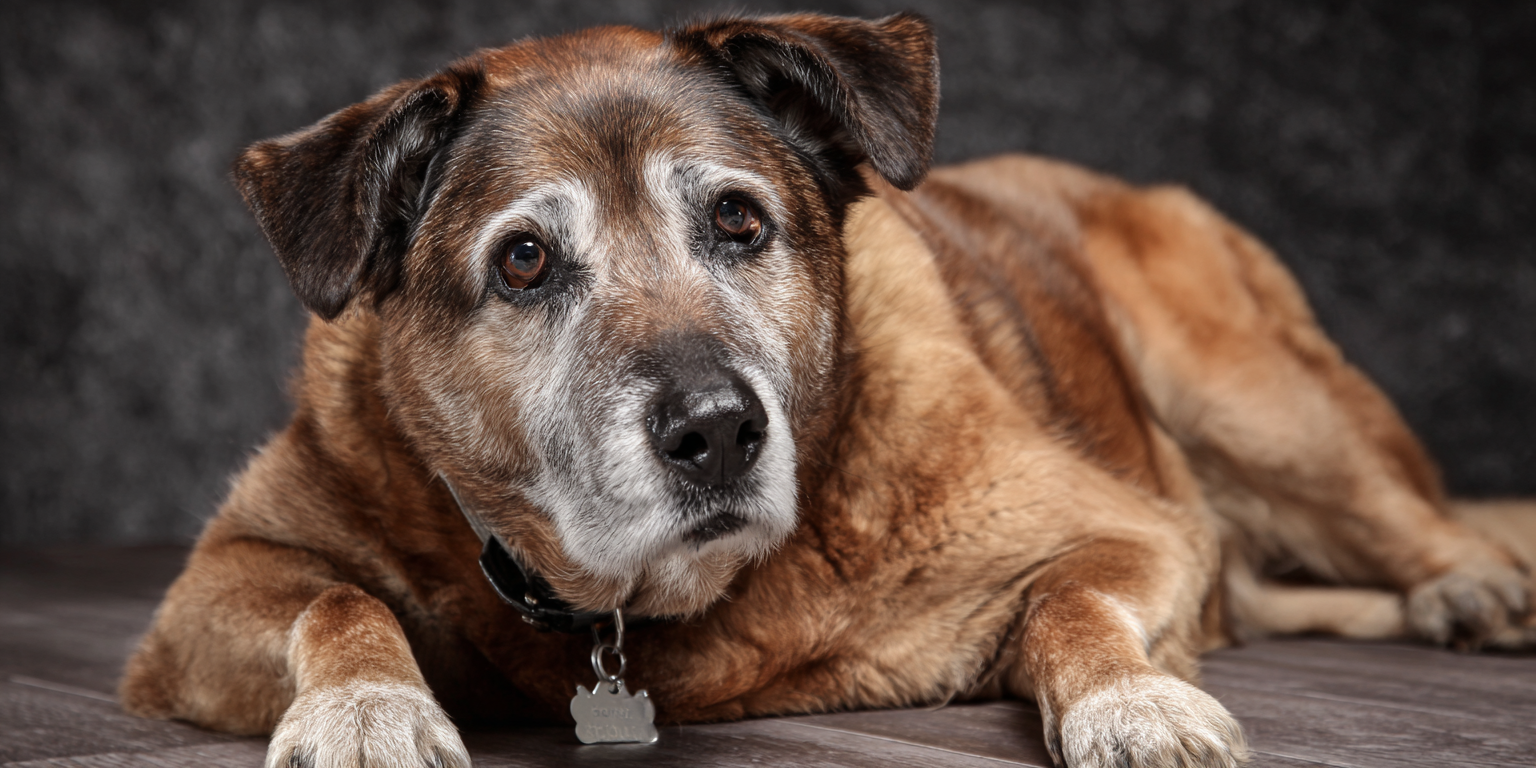
Weight management is crucial for dogs with hip dysplasia. Even modest weight loss, around 2 to 6 percent of total body weight, can decrease lameness and improve comfort.
That is a big deal.
Maintaining a lean body weight minimizes structural forces on arthritic joints and compromised hips. Excess weight adds pressure to the hip joint, increases inflammation, and makes it harder for weak muscles to support movement.
A weight management plan may include:
- Measured meals
- Fewer high-calorie treats
- A healthy weight target from your vet
- Low impact exercise
- Regular weigh-ins
- Lean body weight monitoring
For dogs with end stage hip dysplasia, weight control is pain control.
Pain management for end stage hip dysplasia
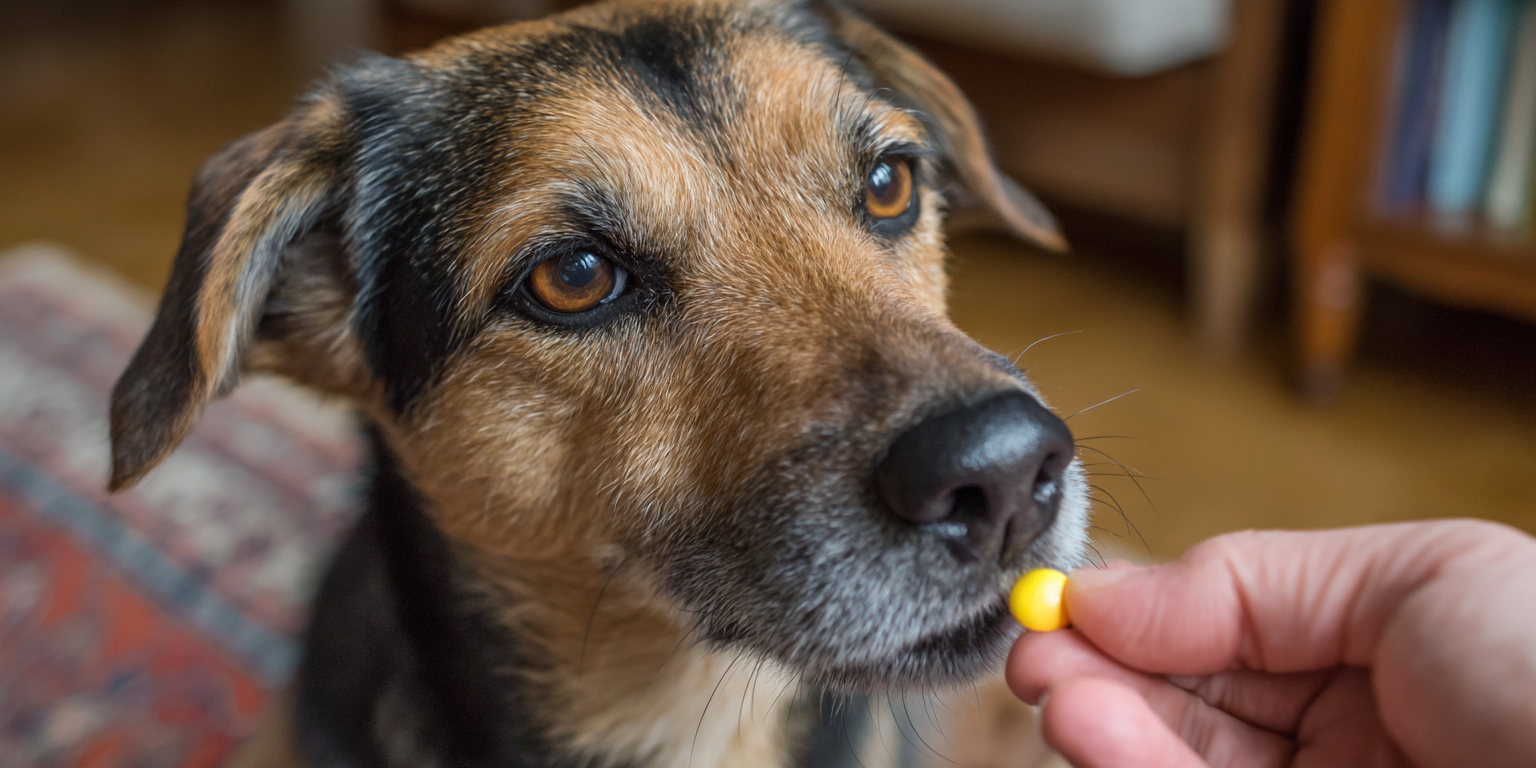
Pain management is the top priority for end stage hip dysplasia.
A veterinarian may recommend a combination of:
- Nonsteroidal anti-inflammatory medications
- Other pain medications
- Joint supplements
- Joint fluid modifiers
- Physical therapy
- Laser therapy or red light therapy
- Corticosteroid injections in selected cases
- Mobility aids
- Surgical options when appropriate
- Palliative comfort care
Adequan, a joint fluid modifier, may be used as an injection to support comfort and mobility in dogs with hip dysplasia, though it is not labeled specifically for pain relief.
Joint supplements such as glucosamine and omega-3 fatty acids are commonly recommended to support joint health and help reduce inflammation. They are rarely enough on their own for severe hip dysplasia, but they can be part of medical management.
Pain relief medications, including NSAIDs and other pain management options, are often essential. Always use pain medications under veterinary guidance.
Do not guess with pain control. Your dog’s comfort depends on the right plan.
Physical therapy and mobility support
Physical therapy can help dogs with hip dysplasia at any age. Even older dogs and dogs with end stage hip dysplasia can benefit from exercises that maintain muscle strength, joint mobility, and comfort. Physical therapy and rehabilitation techniques are important to maintain or improve a dog’s mobility, especially in progressive conditions like hip dysplasia.
Physical rehabilitation may include:
- Gentle range of motion
- Assisted standing
- Controlled walking
- Hydrotherapy
- Swimming
- Slow weight shifting
- Massage
- Strength work matched to ability
- Extracorporeal Shock Wave Therapy (ESWT)
These exercises are used to help manage hip dysplasia and support your dog’s mobility. Physical therapy, including low-impact exercises like swimming and controlled walks, can help maintain muscle strength and joint mobility in dogs suffering from hip dysplasia.
Low impact exercise matters. Short, controlled walks can help preserve muscle without overloading the hip joint. Swimming or underwater treadmill work can help some dogs move with less pressure on the joints.
Mobility aids can also help.
Options include:
- Support harnesses
- Rear-end slings
- Non-slip rugs
- Dog wheelchairs
- Ramps
- Supportive bedding
- Raised food and water bowls when helpful
Mobility harnesses and slings can help dogs with end stage hip dysplasia stand up, go outside, and move with less strain. Dog wheelchairs can improve quality of life for some dogs by giving them more freedom and comfort.
Small home changes can make a significant difference.
Use rugs on slippery floors. Add ramps where possible. Keep your dog’s bed close to the door. Choose supportive bedding that is easy to step on and off.
Surgical treatment for severe hip dysplasia
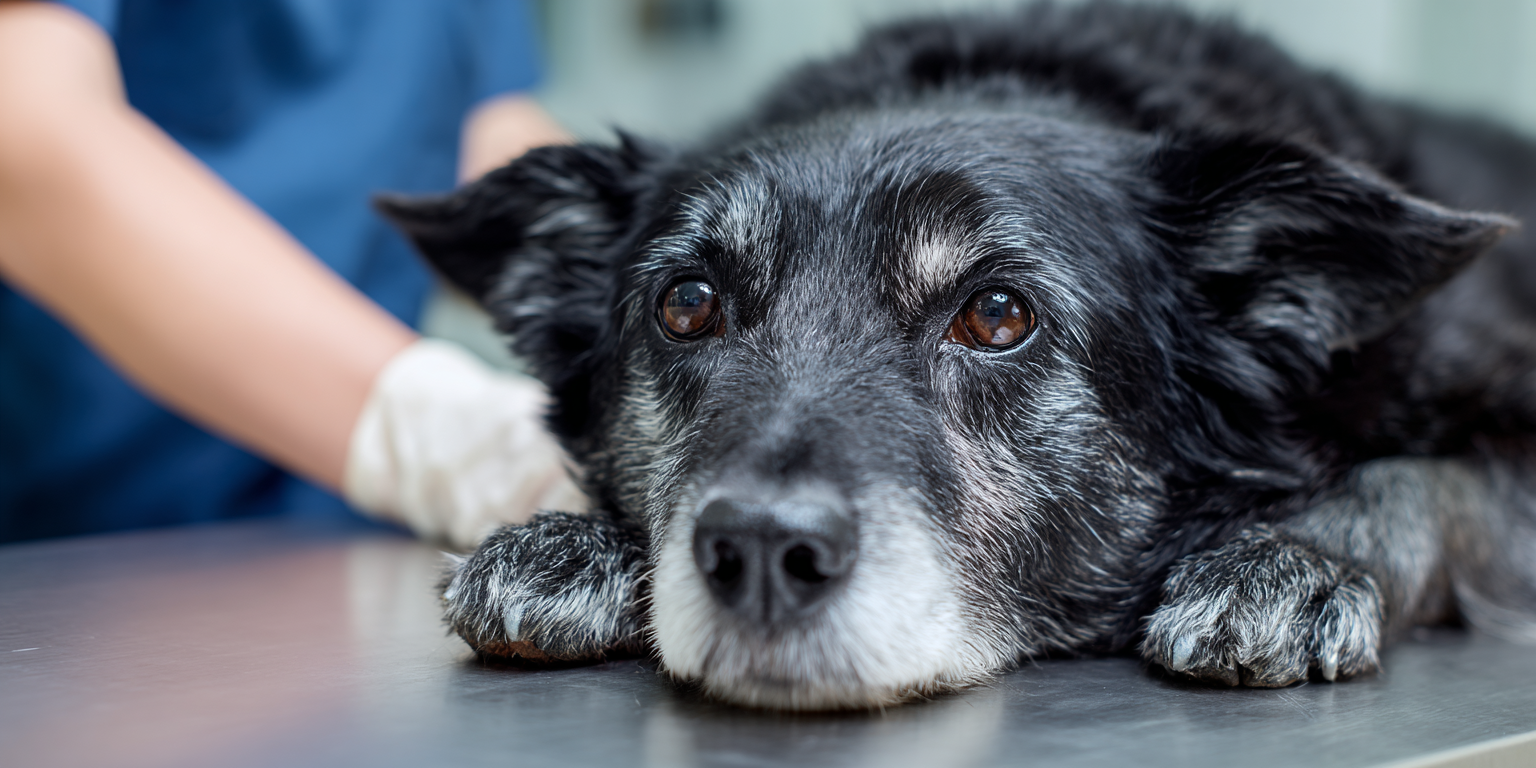
Surgical options may be considered for severe cases of hip dysplasia, with a dog’s age being an important factor in determining whether surgery is appropriate. Both surgical and non-surgical options are available to treat hip dysplasia, depending on the individual dog’s needs, overall health, pain level, joint damage, and medical or financial reasons.
Common surgical options include:
Surgical options for hip dysplasia include femoral head osteotomy (FHO) and total hip replacement, which can relieve pain and improve mobility in affected dogs.
Total hip replacement
Total hip replacement replaces the damaged hip joint with an artificial joint. For the right dog, it can provide major pain relief and improved mobility.
Femoral head ostectomy or femoral head osteotomy
Femoral head ostectomy, also called FHO, removes the femoral head so the body can form a false joint. This can relieve joint pain for selected dogs.
Triple pelvic osteotomy
Triple pelvic osteotomy is usually used in young dogs before advanced arthritis develops. It is generally not a typical end stage hip dysplasia option because end stage disease often includes severe arthritic change.
Not all dogs are surgical candidates. Some dogs are too old, too medically fragile, or too advanced for certain surgical procedures. A veterinary surgeon can help determine whether surgery makes sense.
How red light therapy supports end stage hip dysplasia
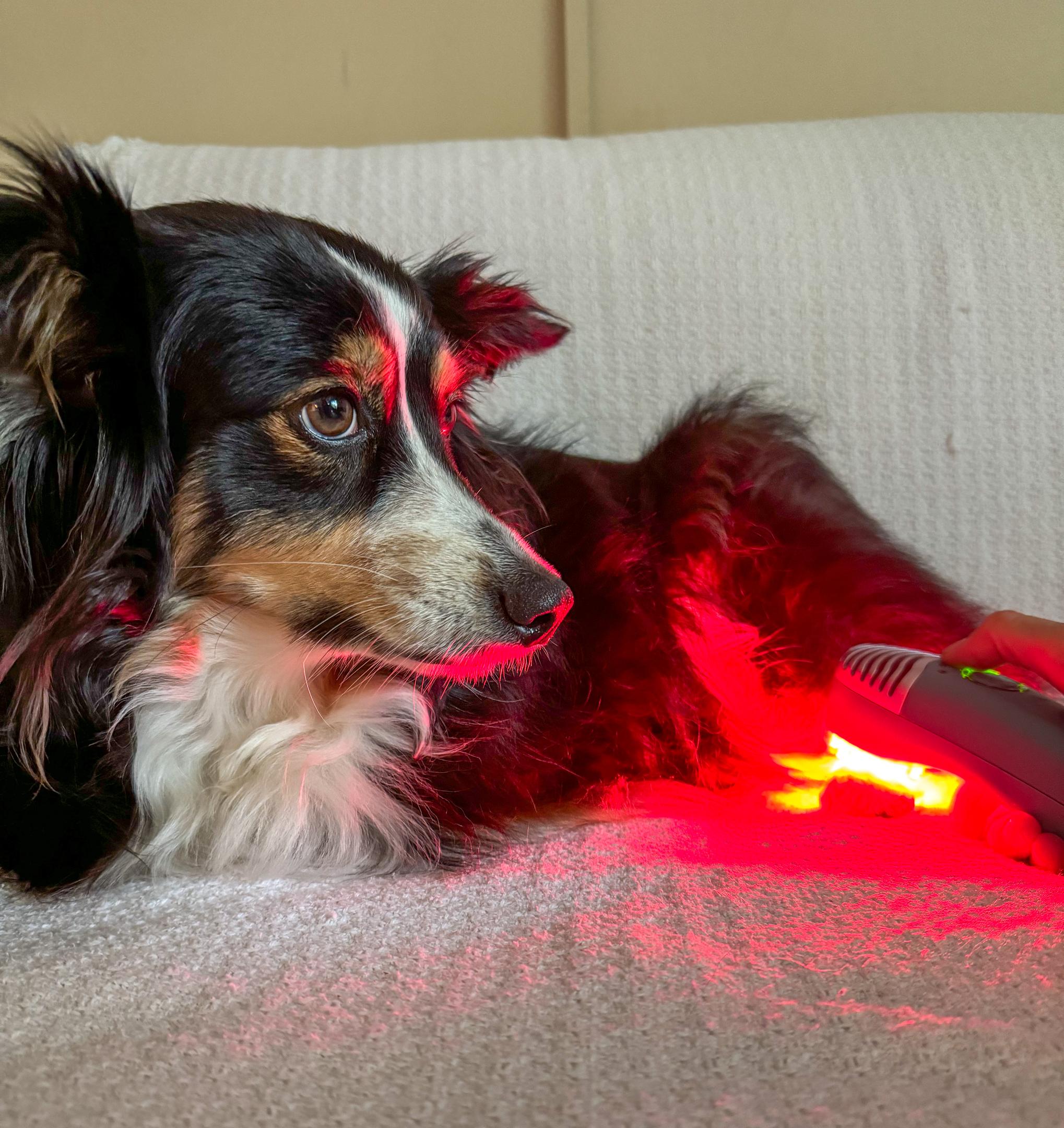
Photobiomodulation, or PBM, also called red light therapy, low-level laser therapy, LED therapy, cold laser, and near-infrared therapy, refers to the same therapeutic category using light energy to influence cellular biology.
Red light therapy can support dogs with hip dysplasia by helping reduce inflammation, support blood flow, and calm pain signals around the affected area. It does not rebuild joint cartilage or correct the hip socket. It helps support comfort in the tissues around the damaged joint.
Learn more here: Science of Red Light Therapy.
For dogs with end stage hip dysplasia, red light therapy may help:
- Reduce pain
- Relieve joint pain
- Reduce inflammation
- Support joint mobility
- Improve comfort before or after low impact exercise
- Support physical therapy tolerance
- Help manage chronic pain
- Support comfort after surgery
It works best as part of a broader treatment plan.
Why Luma is helpful for severe hip dysplasia
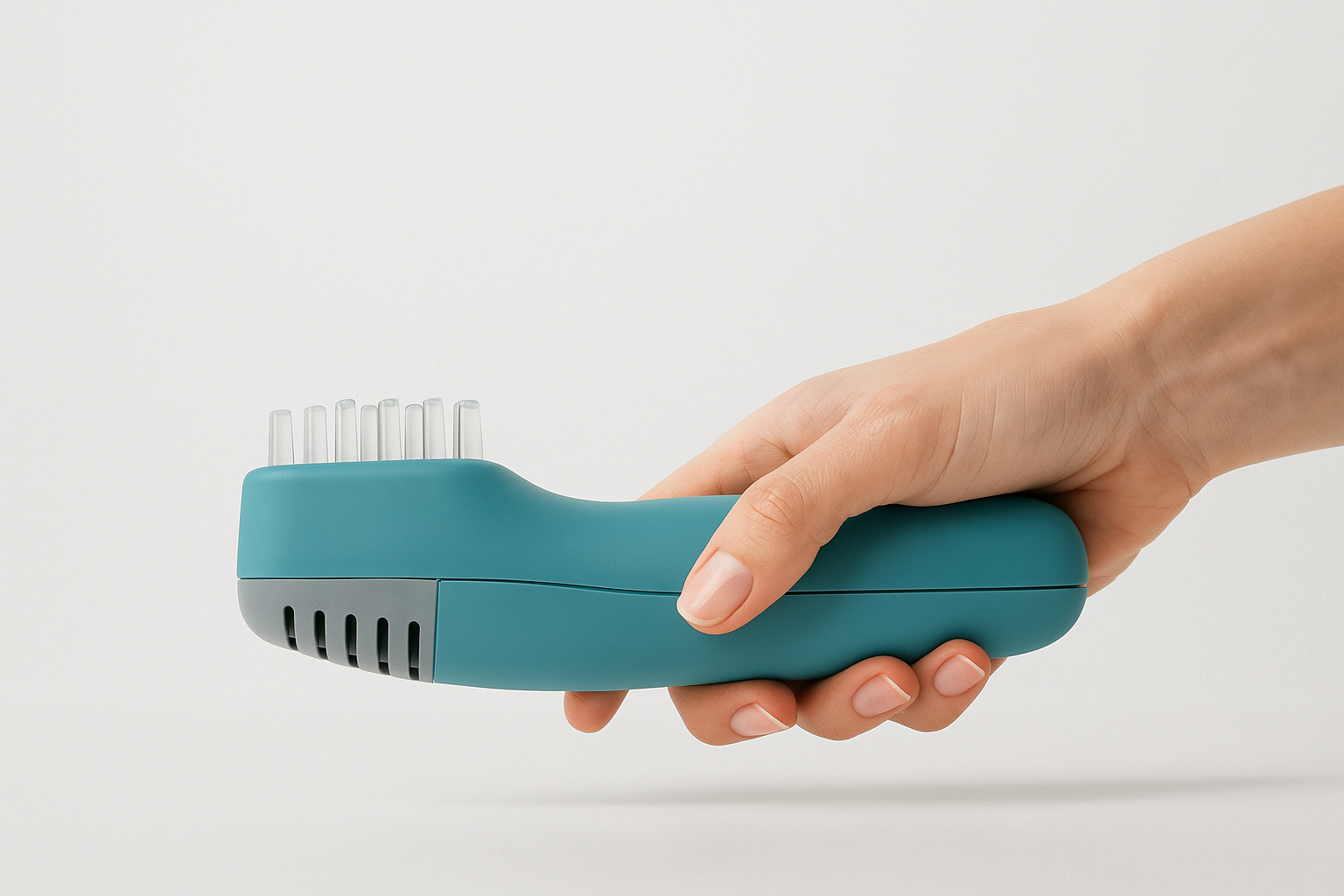
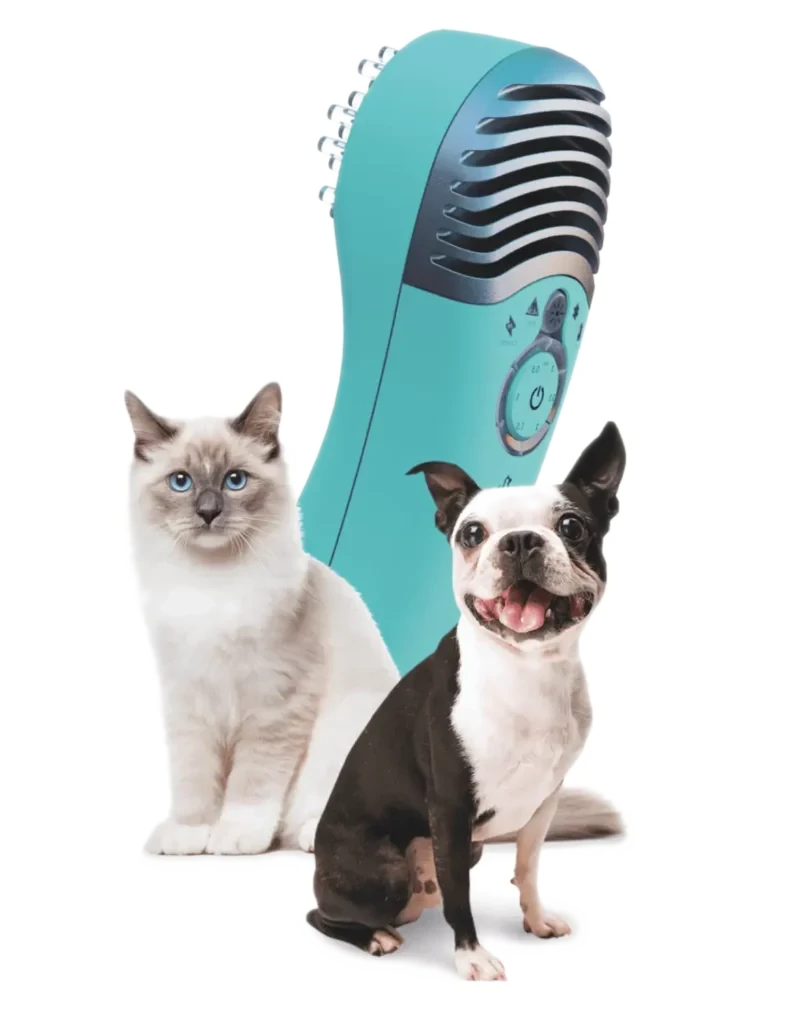
The MedcoVet Luma gives pet parents a way to support comfort at home.
That matters with end stage hip dysplasia because your dog’s needs are daily. Pain management, mobility support, and comfort care do not happen once a month. They happen every morning, every walk, every time your dog tries to stand.
Luma uses red and near-infrared light to support circulation, inflammation control, and tissue comfort around the hip area. It is non invasive, drug free, and designed for home use with clinician guidance.
Luma may help support:
- Comfort in arthritic joints
- Reduced stiffness after rest
- Better tolerance for short walks
- Less guarding around the hips
- Physical therapy support
- Pain management strategies
- Long term joint health
- Comfort during medical management
- Recovery after surgery such as FHO or total hip replacement
Luma can be especially helpful when pet parents want a gentle at-home support tool alongside veterinary care, pain medications, joint supplements, physical therapy, and weight management.
Read more here: Red Light Therapy for Pets with Hip and Elbow Dysplasia.
For broader guidance, visit Red Light Therapy for Dogs.
Want to know if Luma is right for your dog’s hip dysplasia?
Anderson
Can dogs with end stage hip dysplasia live a normal life?
Some can live a comfortable, happy life with proper treatment. Others need more intensive care, and some reach a point where pain cannot be controlled well enough.
Many dogs with hip dysplasia benefit from:
- Pain medications
- Anti-inflammatory medications
- Joint supplements
- Weight control
- Physical therapy
- Low impact exercise
- Mobility aids
- Red light therapy
- Surgical options
- Home changes
- Palliative comfort care
Prognosis for dogs with end stage hip dysplasia can be good to excellent with proper intervention when the focus is pain management and quality of life rather than curing the condition.
The word “normal” may change.
A normal life for a dog with advanced hip dysplasia may mean shorter walks, fewer stairs, more rest, careful weight control, and daily support. It can still include joy.
MedcoVet’s clinical view on end stage hip dysplasia
MedcoVet focuses on photobiomodulation protocols for dogs with hip dysplasia, elbow dysplasia, arthritis, pain, surgery recovery, and mobility loss.
Our clinical approach considers pain severity, tissue depth, coat type, muscle strength, joint mobility, activity level, and the dog’s full care plan. End stage hip dysplasia often requires layered support. One tool rarely does everything.
The strongest plans usually include veterinary care, pain management, weight management, physical therapy, joint supplements, mobility support, and home-based comfort care.
Red light therapy can fit into that plan by helping support comfort, inflammation control, and daily mobility.
Questions pet parents ask about end stage hip dysplasia
Clinical summary
Mechanism:
End stage hip dysplasia is the severe final phase of canine hip dysplasia. The ball and socket joint has advanced structural damage, joint laxity, cartilage loss, arthritis, inflammation, and chronic pain. Dogs may lose muscle strength and joint mobility due to pain and reduced use.
Evidence level:
Medical management with weight control, pain medications, anti-inflammatory medications, joint supplements, physical therapy, and mobility support is widely used in veterinary care. Surgical options such as total hip replacement and femoral head ostectomy can provide major pain relief in appropriate candidates. Photobiomodulation has moderate support for pain relief, inflammation control, and mobility support.
When red light therapy works best:
Red light therapy works best when inflammation, stiffness, muscle strain, arthritis pain, or reduced mobility are part of the dog’s clinical picture. It is most useful as part of a full treatment plan that may include veterinary care, pain management, weight management, joint supplements, and physical therapy.
When not to use red light therapy:
Do not use red light therapy over a known or suspected tumor, untreated infection, open wound, or unexplained severe pain without veterinary direction. Dogs with sudden collapse, severe uncontrolled pain, inability to stand, or rapid decline need veterinary care.
Help your dog stay comfortable for as long as possible
End stage hip dysplasia in dogs is serious. It can affect movement, sleep, mood, appetite, and quality of life.
Your dog still deserves comfort.
A strong plan can help reduce pain, support mobility, and make daily life easier.
Want help thinking through your dog’s comfort and mobility plan?
Lucy
Evidence Citations
🐾 Ready to Take the Next Step?
Whether you’re just learning or ready to act — we’ve got you.
👉 Book a Free Consult
Talk to a licensed clinician about your pet’s condition and get a personalized plan. No pressure, just real help.
👉Learn More About the Luma
Explore how our at-home red light therapy device works, why it’s different, and what it can do for your pet.

About the Author
Alon Landa is the CEO and co-founder of MedcoVet, a leader in at-home red light therapy for pets. With over 20 years of experience in medical technology and firsthand involvement in developing the Luma, Alon combines deep technical knowledge with a passion for improving pet health. He regularly collaborates with veterinarians and pet parents to advance photobiomodulation (PBM) care at home.
📍 Based in Boston, MA
📖Read more from Alon here
About the Medical Reviewer
Clinical Focus: Surgery, anesthesia, canine fitness, injury prevention, agility
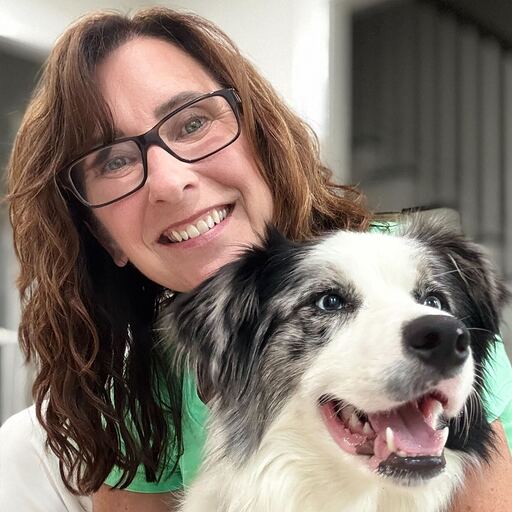
Kristy Williams brings over 30 years of experience to the veterinary field. Her career began in the 1990s, working as a civilian for the Army Veterinary Corps at RAF Feltwell in England, where she first discovered her passion for animal care and supporting their families. Upon returning to the United States, Kristy pursued her education and graduated in 2005 as a certified veterinary technician after passing the national exam. She has since gained extensive experience in both general practice and emergency/referral practices.
Read More about Kristy here.