Dog Surgery Recovery
Help your dog heal comfortably after surgery
Build a recovery plan with a trained clinician?
Medically reviewed by: Kristy Williams, CVT, CCFT (Specialties: Pet rehabilitation, pain management, photobiomodulation)
Reviewed: [May 2026]
Updated: [May 2026]
How long does dog surgery recovery take?
Dog surgery recovery depends on the type of surgery, the procedure performed, your dog’s age, your pet’s condition, and how closely you follow your veterinarian’s instructions. Soft tissue procedures often take 10 to 14 days for early healing, while orthopedic surgery can take 8 to 12 weeks or longer. Most surgical incisions start healing visibly within 7 to 14 days, but full recovery from more complex surgeries can take 4 to 8 weeks or several months.
If your dog recently had surgery and you want to know whether red light therapy may support healing:
Gideon
The first 24 hours after dog surgery
The first night home can feel weird for both you and your dog.
Anesthesia can leave dogs tired, shaky, groggy, or disoriented for up to 24 hours after dog surgery. Mild lethargy is common. Your furry friend may sleep more than usual, move slowly, or seem a little unsure of their body.
Keep your dog calm. Set up a quiet, warm recovery area away from other pets, kids, stairs, and household noise. A crate, pen, or small room works well.
During this time, focus on the basics:
- Give medications prescribed by your veterinary team
- Offer water in small amounts
- Feed a small meal if your dog is interested as your vet recommends
- Help your dog outside for bathroom breaks on a short leash
- Watch the surgical site
- Prevent licking
- Keep activity low
Do not expect normal energy right away. The digestive system may also be slow after anesthesia and pain medications. Some dogs do not have normal bowel movements for a day or two.
Eating and drinking after surgery
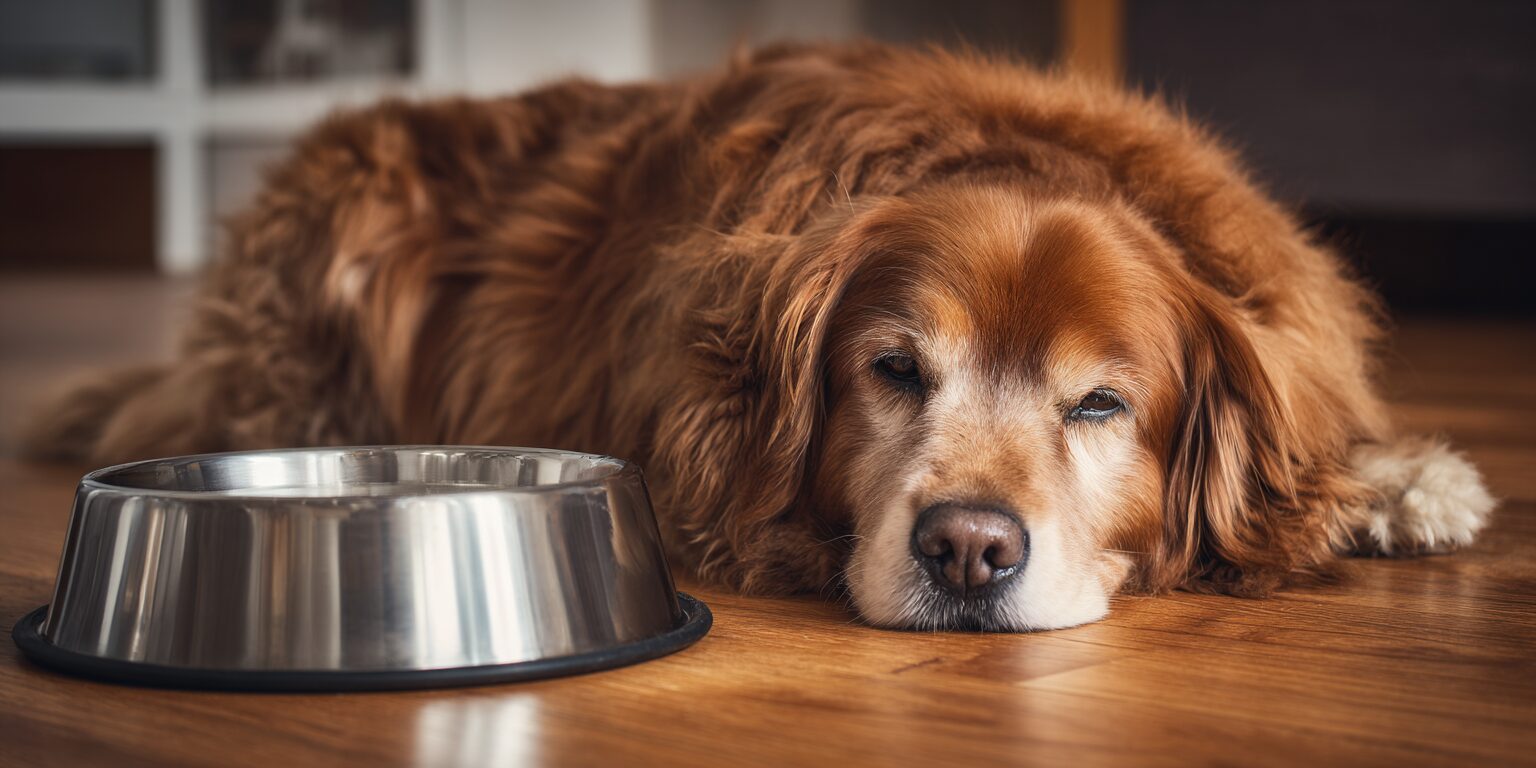
After surgery, many dogs have a lower appetite for 12 to 48 hours. That can happen because of anesthesia, pain medications, stress, or nausea.
Offer smaller, more frequent meals at first. If your dog is reluctant to eat regular food, your veterinarian may suggest a bland diet such as chicken and rice because it is easier to digest. Always follow your vets recommendations in feeding, some abdominal surgeries may require very strict restrictions.
Call your veterinarian if your dog does not eat anything for more than 48 hours after surgery. Lack of appetite can be a sign of pain, infection, nausea, or another complication.
Water matters too. Make sure your dog can reach food and water without climbing, slipping, or moving around too much.
Pain management after dog surgery
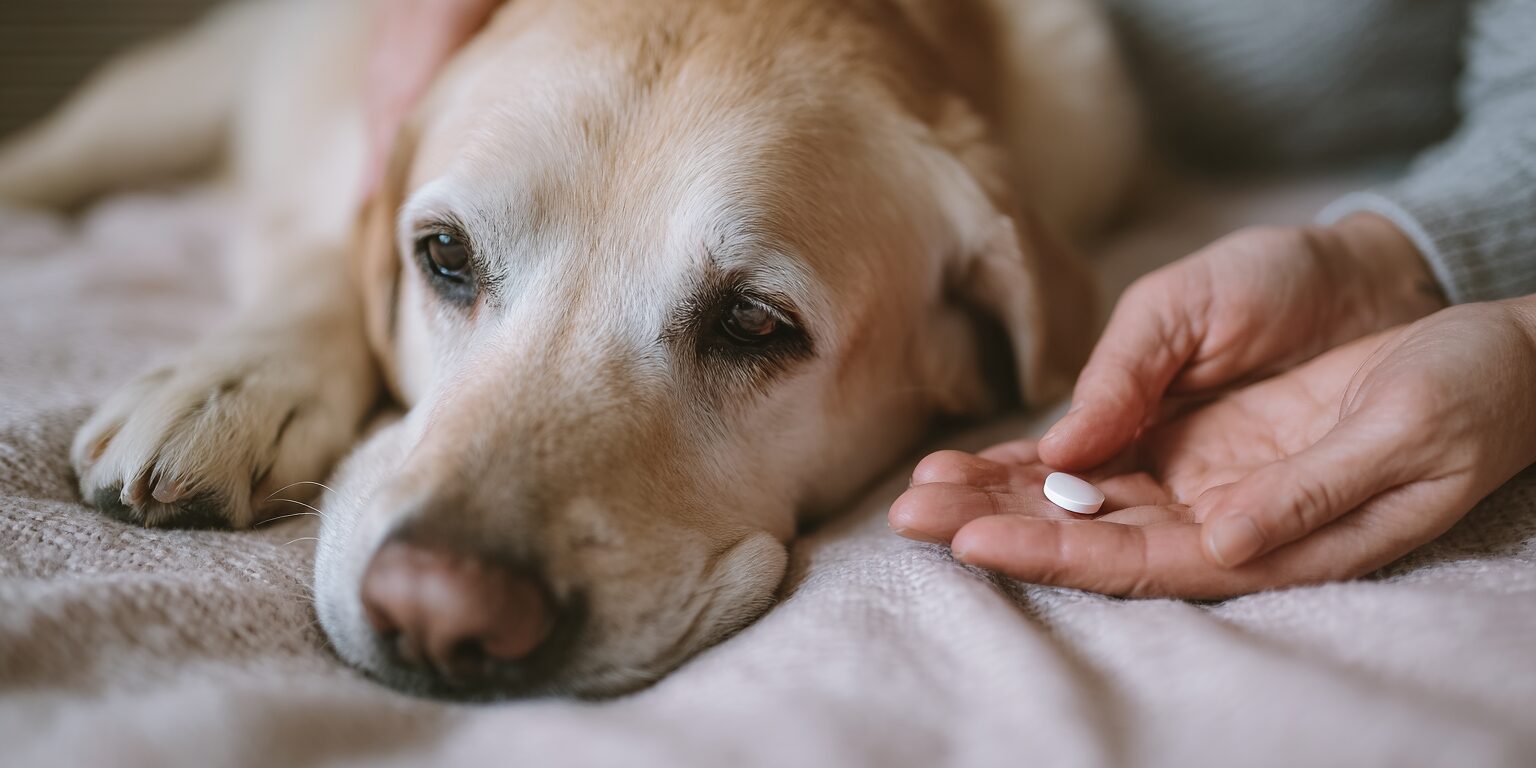
Pain management is one of the most important parts of dog surgery recovery. Veterinarians often create a plan that uses more than one tool, which may include NSAIDs, opioids, and other medications or therapies.
Give pain medications exactly as prescribed. Follow the dose, timing, and full post operative instructions from your veterinary team.
Do not give human medications unless your veterinarian specifically tells you to. Human medications can be dangerous for dogs, including common options like ibuprofen, acetaminophen, and aspirin.
Signs of pain in dogs can include:
- Whining
- Panting
- Restlessness
- Reluctance to move
- Hiding
- Changes in behavior
- Not wanting to eat
- Trouble settling
- Guarding the surgical site
If pain worsens, contact your veterinarian immediately. Your dog does not need to tough it out.
Activity restrictions after surgery
Activity restrictions protect the incision site and the tissue healing underneath it.
For most dogs, activity should stay very limited for the first 10 to 14 days after surgery. That means no running, jumping, stairs, rough play, furniture, or off-leash activity unless your veterinarian says otherwise.
Short leash bathroom breaks are usually fine. Keep them boring. No sniff tours around the neighborhood.
During the recovery period, excessive activity can put tension on the incision site. That tension can delay healing, open the incision, or cause a seroma, which is a fluid-filled swelling under the skin.
For orthopedic procedures, abdominal procedures, and more complex surgeries, the activity restrictions may last much longer. Orthopedic surgery may require weeks of careful confinement, controlled walking, follow up appointments, and physical therapy.
Your dog may feel better before the body is healing properly. That is the danger zone. Stay consistent.
How to set up a safe recovery area
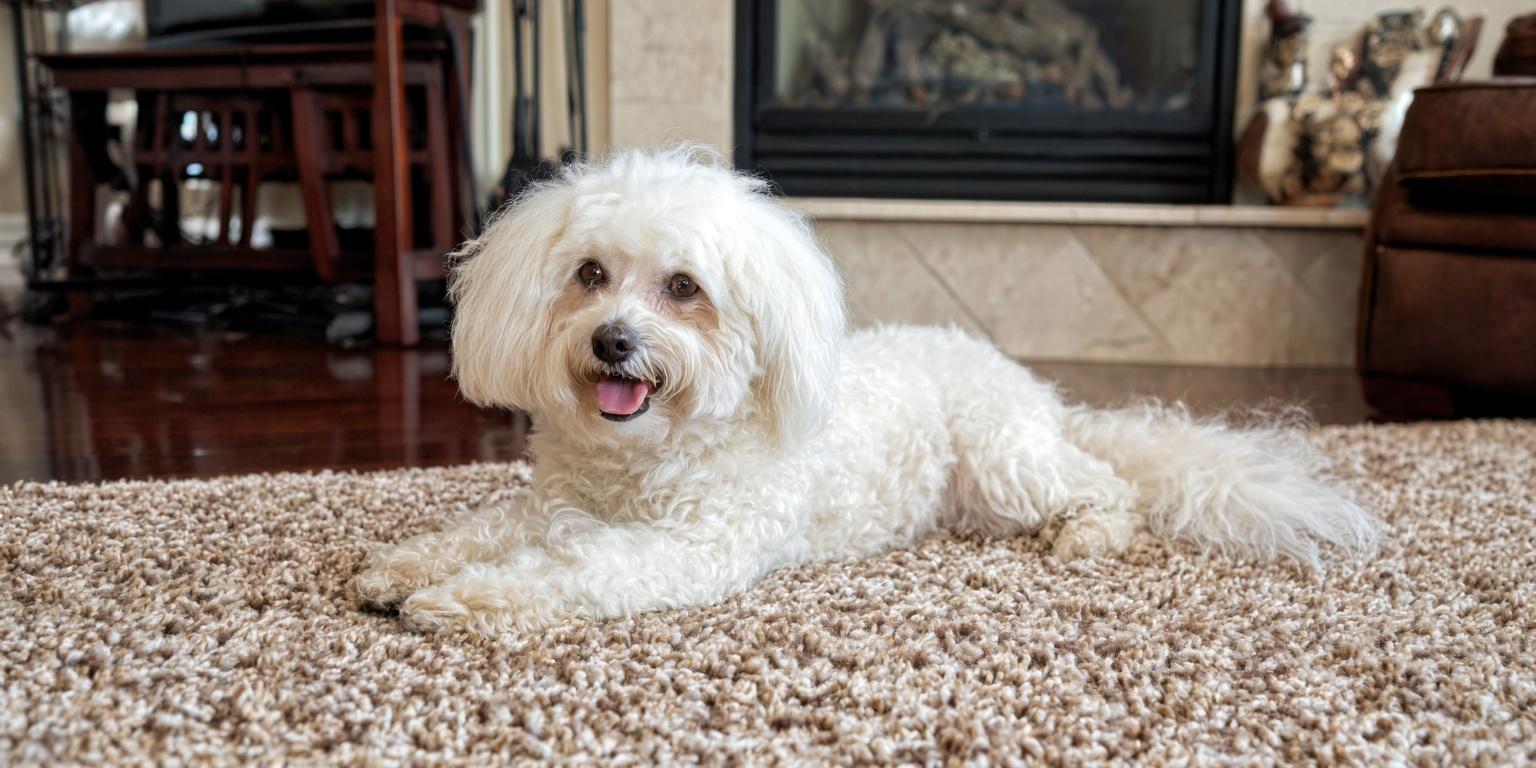
Your dog’s recovery space should make rest easy.
Choose a quiet room, crate, or gated area. Add soft bedding, but keep it low enough that your dog does not need to climb. Use rugs or yoga mats if the floor is slippery.
Keep these nearby:
- Water
- Food
- Medications prescribed by your veterinarian
- A leash for bathroom breaks
- The Elizabethan collar
- Clean bedding
- Post operative instructions
- Your veterinary care contact information
Keep other pets away. Even gentle petting from a person is usually safer than excited nudges from another dog.
Your job is to reduce physical strain while still giving emotional support. Surgery can be stressful for dogs. The recovery process can feel confusing, uncomfortable, and lonely.
Be patient. Sit nearby. Use a calm voice. Offer gentle petting if your dog wants it.
Incision care after dog surgery
The incision site needs daily attention. Check your pet’s incision at least twice a day for signs of healing progress or complications.
A small amount of redness, swelling, and bruising can be normal. Mild irritation can also happen, especially if the incision rubs against bedding or your dog tries to lick it.
Warning signs include:
- Excessive swelling
- Redness that spreads
- Discharge
- Foul odor
- Opening of the incision
- Bleeding
- Discoloration
- Heat
- Increased pain around the surgical site
Signs of infection at the incision site can include redness, swelling, discharge, or a foul odor. Contact your veterinarian if you notice these symptoms.
Keep the incision area dry. Avoid bathing your pet until your veterinary team clears it. Do not apply topical ointments, creams, sprays, or bandages unless prescribed.
Skin sutures or staples typically stay in place for 10 to 14 days. Some dog’s stitches dissolve on their own, while others need removal at a follow up appointment.
Why the E-collar matters
The Elizabethan collar, often called an e-collar, helps prevent licking and chewing. It can feel annoying. Use it anyway.
Make sure the e-collar is on properly and your dog cannot get around it to the incision.
Licking can delay healing, introduce bacteria, and cause infection. Some pets can damage an incision in minutes.
If your dog cannot tolerate a cone, ask your veterinary team about other options, such as a recovery suit, inflatable donut, bite-not collar or properly placed cover. The goal is simple: keep the surgical site protected.
When to call your veterinarian immediately
Recognizing signs of complications can protect your dog’s recovery.
Contact your veterinarian if you notice:
- Persistent vomiting
- Inability to urinate
- Excessive lethargy
- Unusual swelling at the incision site
- Discharge or foul odor
- Pale gums
- Trouble breathing
- Severe pain
- Refusal to eat for more than 48 hours
- Incision opening
- Bleeding that does not stop
- Sudden change in your dog’s energy
Seek emergency care if your dog is straining to urinate, vocalizing, or showing signs of distress while trying to urinate. That can signal a medical emergency that needs immediate veterinary care.
If your dog seems excessively lethargic, has pale gums, collapses, or appears very weak, seek emergency care.
When in doubt, call. Veterinary advice is better than guessing.
Mental stimulation during recovery
Dogs get bored during recovery. Very bored.
The trick is to give mental stimulation without increasing your pet’s physical activity. Puzzle toys, food-dispensing toys, lick mats, and scent games can help your dog stay engaged without overexerting themselves.
Keep it low movement.
Good options include:
- Frozen lick mats
- Snuffle mats used in place
- Treats hidden in a towel
- Food puzzles that do not require standing
- Gentle scent games in the recovery space
- Calm training cues like touch or chin rest
- preparing normal meals in stuffable puzzle toys, can freeze for a further challange
Mental stimulation helps your dog feel less frustrated while still protecting the healing process.
Physical therapy after surgery
Physical therapy depends on the type of surgery. Some dogs need no formal rehab. Others, especially after orthopedic surgery, may need a careful plan to rebuild strength, improve movement, and prevent future issues.
A veterinary team may recommend:
- Passive range of motion
- Controlled leash walks
- Weight shifting
- Assisted standing
- Gentle strengthening
- Later, more advanced exercises
Do not start exercises without veterinary guidance. The right movement can help your dog recover. The wrong movement can delay healing.
For orthopedic procedures, physical therapy may be a major part of your pet’s recovery.
How red light therapy supports dog surgery recovery
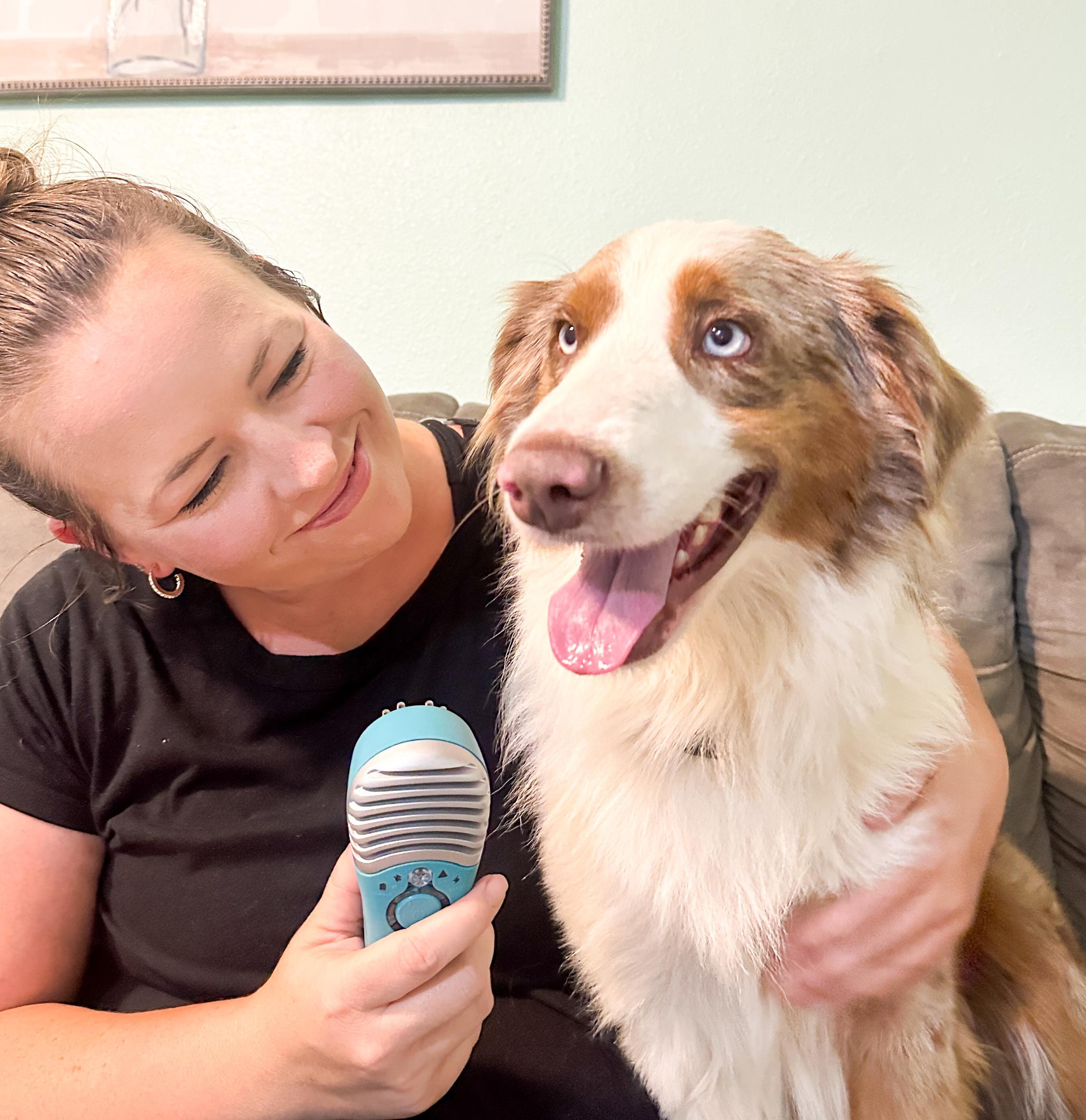
Photobiomodulation (PBM), also called red light therapy, low-level laser therapy, LED therapy, cold laser, and near-infrared therapy, refers to the same therapeutic category using light energy to influence cellular biology.
Red light therapy can support dog surgery recovery by helping reduce inflammation, manage pain, improve local circulation, and support tissue repair around the surgical site. It can be especially helpful when your dog is resting, healing, and waiting to safely return to normal movement.
Learn more about the science here: Science of Red Light Therapy.
Why Luma is helpful after dog surgery
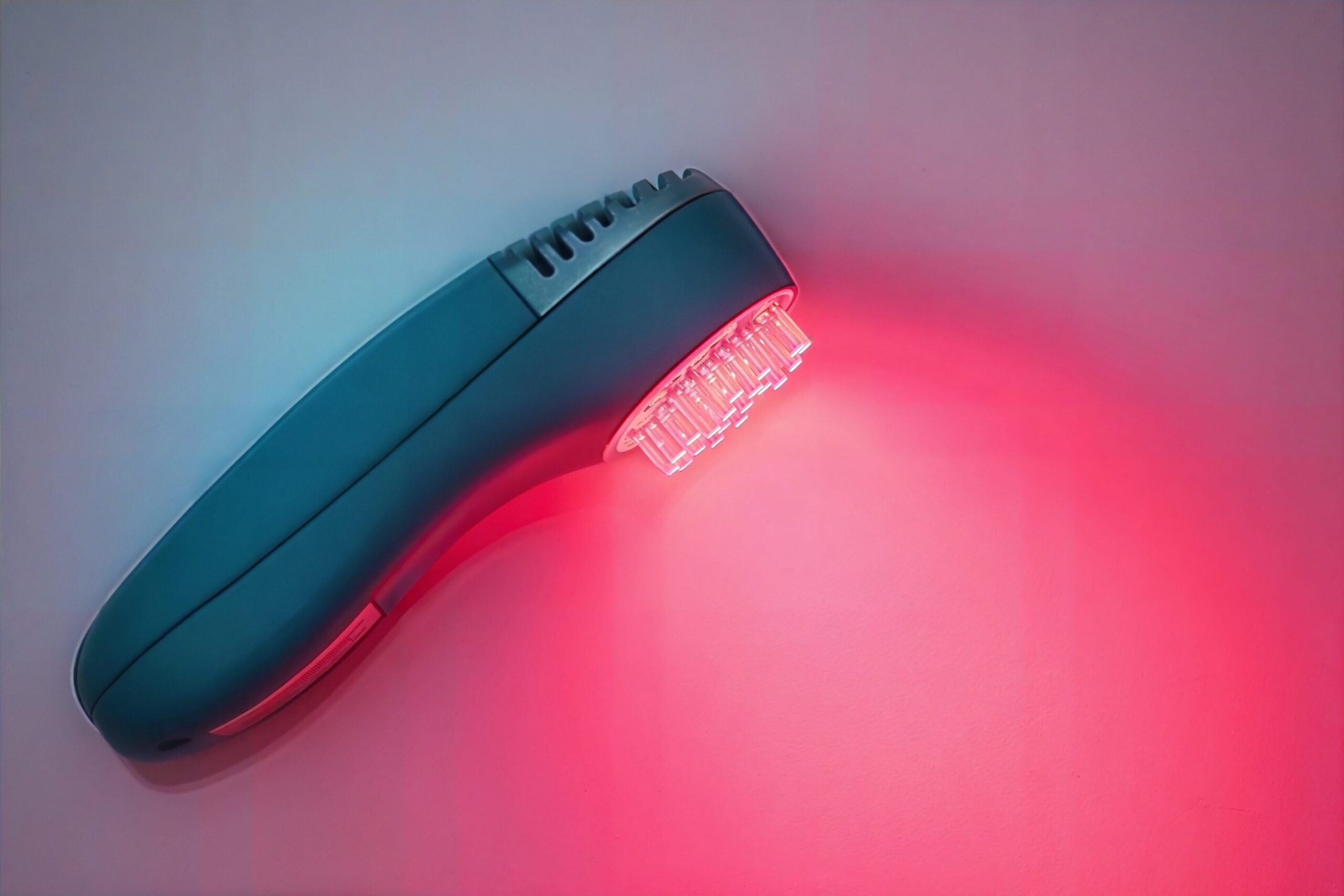
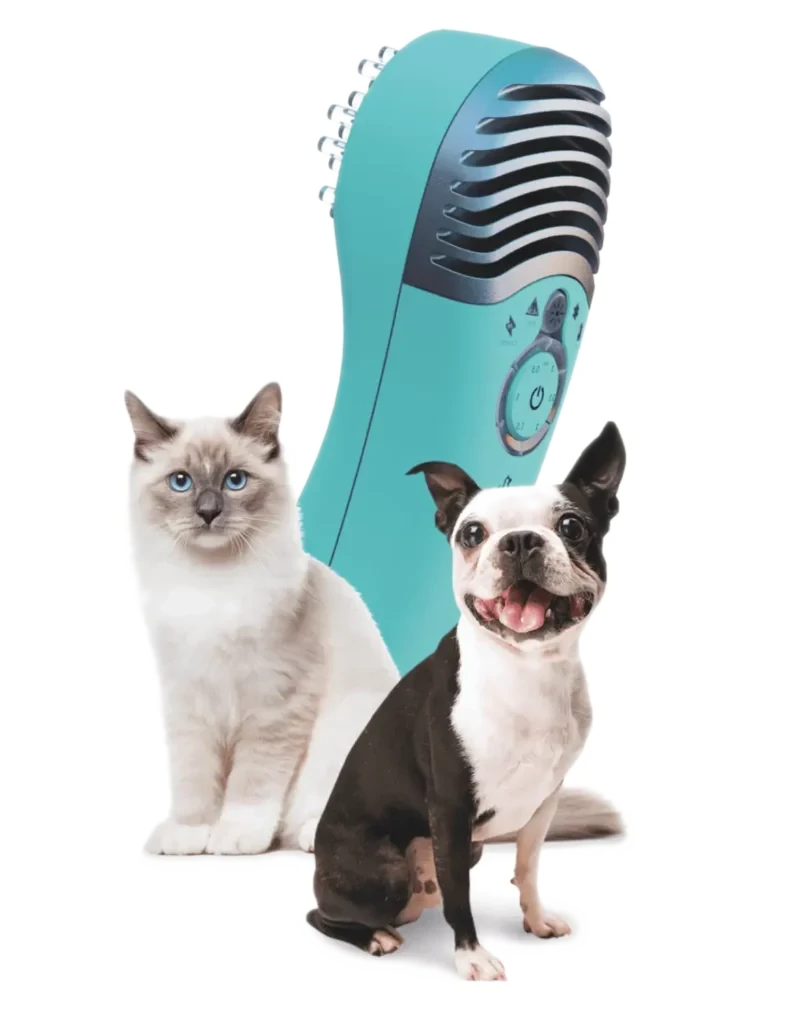
The MedcoVet Luma gives pet owners a way to support healing at home between veterinary visits.
Luma uses red and near-infrared light to support cellular repair, reduce inflammation, and improve comfort. It is non invasive, drug free, and designed for home use with clinician guidance.
That matters because most of your dog’s recovery happens at home.
Luma can support:
- Comfort near the surgical site
- Reduced inflammation
- Tissue repair
- Pain management support
- Healing progress
- Recovery after orthopedic surgery
- Recovery after soft tissue procedures
- Better comfort during the recovery period
Luma does not replace your veterinarian’s instructions, pain medications, incision care, follow up visits, or emergency care when needed. It supports the body’s healing process as part of a proper care plan.
Read more here: Red Light Therapy for Post-Surgical Healing in Pets.
For a broader guide, visit Red Light Therapy for Dogs.
Want to know if Luma is right for your dog after spay surgery?
Hunter
MedcoVet’s clinical view on surgery recovery
MedcoVet focuses on photobiomodulation protocols for dogs across surgery recovery, pain, arthritis, and mobility support. Our clinical approach considers the type of surgery, tissue depth, recovery period, pain level, inflammation, and safe use at home.
Dog surgery recovery works best with a clear plan: veterinary care, prescribed medications, activity restrictions, incision monitoring, emotional support, and careful return to movement.
Red light therapy fits into that plan by supporting the body’s natural repair process.
Questions pet owners ask after dog surgery
Clinical summary
Mechanism:
Dog surgery recovery depends on incision healing, inflammation control, pain management, tissue repair, and activity restriction. Red light therapy supports cellular activity, local circulation, and inflammatory balance during healing.
Evidence level:
Post operative instructions, incision care, pain medications, activity restriction, and follow up visits are standard parts of veterinary care. Photobiomodulation has moderate support for pain control, inflammation reduction, and wound healing.
When it works best:
Red light therapy works best during early and mid-stage recovery when pain, swelling, inflammation, and tissue repair are active concerns. It may be especially useful after orthopedic surgery, abdominal procedures, and complex surgeries with longer recovery periods.
When not to use:
Do not use red light therapy over an untreated infection, open incision without veterinary approval, or known malignant tumor unless directed by a veterinarian. Seek veterinary care for warning signs or sudden decline.
Help your dog heal with clear support
Dog surgery recovery can feel stressful. A clear plan helps both you and your dog.
Follow your veterinarian’s instructions. Give pain medications on schedule. Keep the incision protected. Limit activity. Watch your dog closely.
And when you want extra support for healing at home:
Want a clinician to help you think through your pet’s recovery?
Lucy
Evidence Citations
🐾 Ready to Take the Next Step?
Whether you’re just learning or ready to act — we’ve got you.
👉 Book a Free Consult
Talk to a licensed clinician about your pet’s condition and get a personalized plan. No pressure, just real help.
👉Learn More About the Luma
Explore how our at-home red light therapy device works, why it’s different, and what it can do for your pet.
About the Author
Alon Landa is the CEO and co-founder of MedcoVet, a leader in at-home red light therapy for pets. With over 20 years of experience in medical technology and firsthand involvement in developing the Luma, Alon combines deep technical knowledge with a passion for improving pet health. He regularly collaborates with veterinarians and pet parents to advance photobiomodulation (PBM) care at home.
📍 Based in Boston, MA
📖Read more from Alon here
About the Medical Reviewer
Clinical Focus: Surgery, anesthesia, canine fitness, injury prevention, agility
Kristy Williams brings over 30 years of experience to the veterinary field. Her career began in the 1990s, working as a civilian for the Army Veterinary Corps at RAF Feltwell in England, where she first discovered her passion for animal care and supporting their families. Upon returning to the United States, Kristy pursued her education and graduated in 2005 as a certified veterinary technician after passing the national exam. She has since gained extensive experience in both general practice and emergency/referral practices.
Read More about Kristy here.