Dog Knee Surgery Recovery
Help your dog recover stronger after knee surgery
Get clear next steps based on your dog’s surgery type, pain level, mobility, and recovery stage.
Medically reviewed by: Kristy Williams, CVT, CCFT (Specialties: Pet rehabilitation, pain management, photobiomodulation)
Reviewed: [May 2026]
Updated: [May 2026]
How long does dog knee surgery recovery take?
Dog knee surgery recovery usually takes 12 to 16 weeks for initial healing, with full strength and mobility often taking up to six months. Most dogs need 8 to 12 weeks to recover from CCL surgery, TPLO surgery, or other knee surgery procedures before activity can gradually increase. The first two weeks are critical because the surgical site, incision, and healing knee joint need strict protection.
If your dog recently had knee surgery
and you want to know if red light therapy may help their recovery:
Anderson
Why dogs need knee surgery
Dog knee surgery is often recommended when a dog tears the cranial cruciate ligament (CCL). In people, this is similar to the anterior cruciate ligament, or ACL. That is why pet owners often search for dog ACL surgery, acl surgery, torn acl, or acl injuries when their dog has a torn CCL.
The cranial cruciate ligament stabilizes the dog’s knee. When it tears, the thigh bone and shin bone no longer move normally together. The knee joint becomes painful and unstable. Your dog may limp, avoid using the affected leg, hold one back leg up, or struggle to bear weight.
Some dogs have a sudden knee injury. Others have partial tears that worsen over time. Surgery is often recommended for dogs with partial CCL tears because they can develop into full tears, causing more pain and lameness.
Common treatment options include:
- Tibial Plateau Leveling Osteotomy, or TPLO surgery
- Tibial Tuberosity Advancement, or TTA
- Extracapsular repair
- Lateral suture
- Tightrope CCL repair
TPLO surgery involves cutting the top of the tibia, rotating the tibial plateau, and securing it with a metal plate and screws. It is often recommended for medium to large, active dogs. Dog CCL surgery has an estimated success rate of 85 to 90 percent, depending on the surgical technique, dog’s age, pre-existing health conditions, and the dog’s recovery plan.
The first two weeks after dog knee surgery
The first two weeks after dog knee surgery set the tone for the entire process. Your dog should stay in a small, quiet area with limited movement. A crate, pen, or small room works well.
Activity should be limited to short leash bathroom breaks. No roaming. No stairs. No jumping. No running. No rough play. No access to other pets.
Strict activity restriction is necessary to prevent re-injury during recovery after dog knee surgery. Dogs often feel better before the knee is ready, and that is when trouble can happen.
Set up the recovery space before your dog comes home:
- Use yoga mats or rugs on slippery floors
- Keep food and water close and easy to reach
- Block stairs and furniture
- Keep bedding low and firm
- Use a short leash for every bathroom break
- Keep other pets separated
Minor bruising, mild swelling, and discomfort are common in the first week after knee surgery. Your veterinary team may recommend cold therapy early in recovery to reduce swelling and pain. Cold therapy should be used only as directed, often for short periods with a towel between the cold pack and skin.
Your dog may also go home with pain medication, antibiotics if needed, and clear activity restrictions. Medication compliance matters. Give pain meds exactly as prescribed. Never give human medication like Aspirin to dogs unless your veterinarian specifically tells you to, as it can be toxic.
Watching the incision and surgical site
Check the incision site and surgical site every day. Mild swelling and bruising can be normal early on, but infection needs quick attention.
Signs of infection after dog knee surgery include:
- Pus
- Foul odor
- Redness that spreads beyond the incision
- Heat
- Increasing swelling
- Discharge
- Opening at the incision
- Swelling above or below the surgical site
Use an Elizabethan collar, or E-collar, to stop licking or chewing. It may feel annoying, but it protects healing. Be sure the collar is well-fitted so your dog cannot get around it to the incision site.
Consult your vet if extreme swelling, pus, or refusal to put weight on the leg occurs after the first two weeks of recovery. You should also contact your veterinary surgeon if your dog seems worse, has severe pain, or suddenly stops using the operated leg.
Weeks 3 to 8: controlled movement and rehab
As healing progresses, your veterinary team may allow activity to gradually increase. This usually starts with controlled leash walks, then moves into more structured physical therapy.
Leash walks may progress from about 10 minutes to 20 minutes as recovery advances, depending on your dog’s gait, comfort, and healing. Keep the pace slow. Flat surfaces are best.
Physical therapy may include:
- Passive range of motion exercises
- Gentle weight shifting
- Assisted standing
- Slow controlled leash walks
- Later strength work when approved
Passive range of motion exercises are often recommended during the recovery process to help maintain joint flexibility and prevent stiffness in the affected leg. Some rehab exercises may be performed two to three times a day as directed by a veterinarian or rehab clinician.
Do not add exercises without guidance. The goal is to promote healing, rebuild muscle weakness, and increase mobility without stressing the knee.
By the 8 to 10 week mark, most veterinarians require follow-up X-rays to confirm bone healing before resuming normal activity, especially after TPLO surgery or any procedure involving the shin bone and metal plate.
Want to know if red light therapy fits your dog’s recovery stage?
Gideon
Weeks 8 to 16 and beyond
Most dogs improve a lot by 8 to 12 weeks post surgery. That does not mean they are ready for full activity.
Rehabilitation after surgery for dogs usually involves a gradual increase in activity, starting with controlled leash walks and progressing to harder exercises only when healing allows. Running, jumping, rough play, and off-leash activity should wait until your veterinary surgeon clears them.
Full recovery from dog CCL surgery can take at least three months and may continue for six months or longer. Full strength can take time. Many dogs need months to rebuild the muscles strong enough to support an active lifestyle.
Weight control is vital during recovery from knee surgery. Extra weight adds strain to the healing joint, the operated leg, and the other knee. Your veterinary team may recommend adjusting food portions while activity is restricted.
Dogs with one knee injury may also have a higher risk of future injury in the other leg. Preventive care, healthy weight, joint support, and long-term strength work matter.
How red light therapy supports dog knee surgery recovery
Photobiomodulation (PBM), also called red light therapy, low-level laser therapy, LED therapy, cold laser, and near-infrared therapy, refers to the same therapeutic category using light energy to influence cellular biology.
Red light therapy can support dog knee surgery recovery by helping reduce pain, reduce inflammation, improve local blood flow, and support cellular repair around the surgical site. It can also help your dog feel more comfortable during physical therapy and controlled movement.
Learn more here: Science of Red Light Therapy.
Why Luma is helpful after dog knee surgery
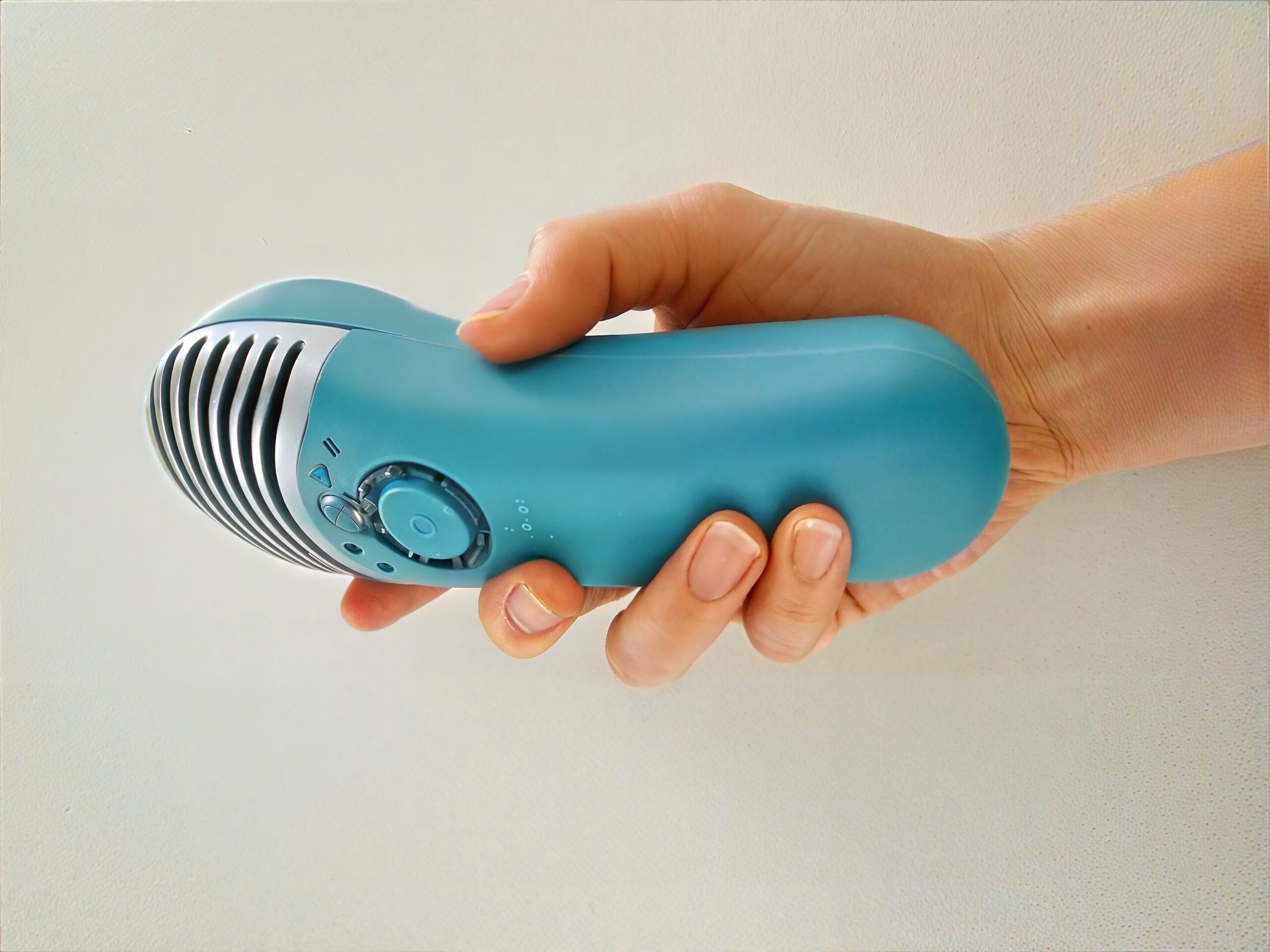
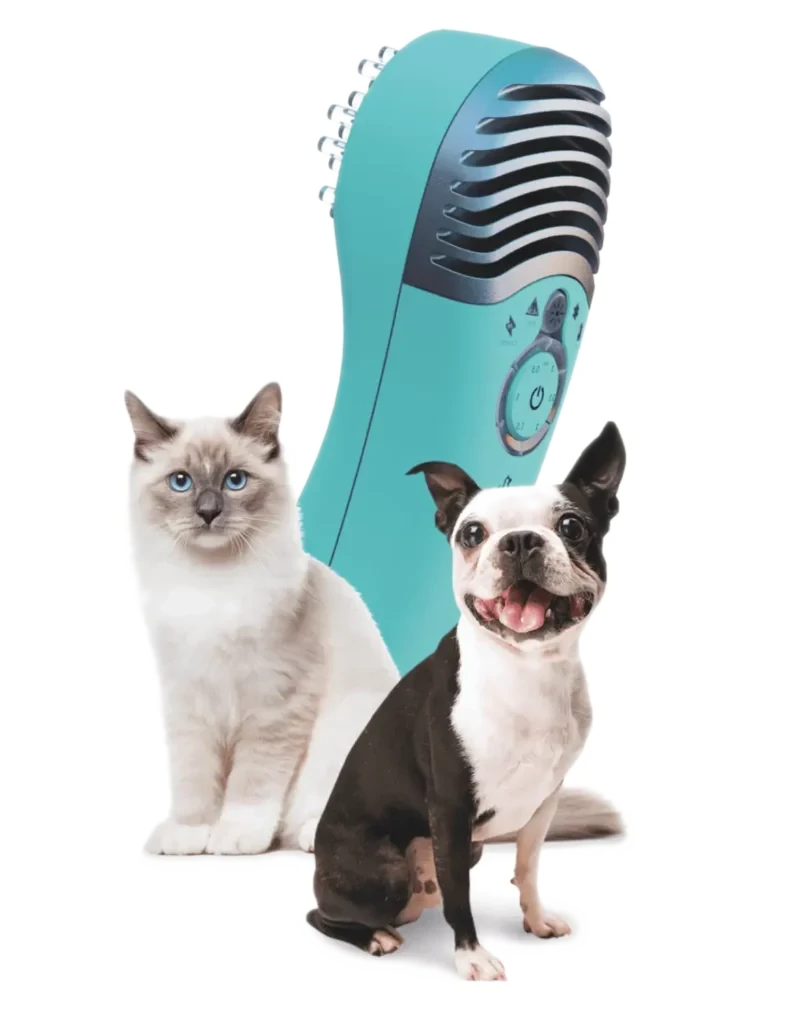
The MedcoVet Luma gives pet owners a way to support healing at home between follow up visits, physical therapy sessions, and vet checks.
Luma uses red and near infrared light to support comfort, tissue repair, inflammation control, and circulation around the dog’s knee. It is non invasive, drug free, and designed for home use with clinician guidance.
That daily support matters after dog knee surgery.
Your dog’s recovery happens in small steps. A better bathroom break. More confidence in the affected leg. Less guarding. Smoother movement. Better tolerance for rehab.
Luma can support:
- Pain management after knee surgery
- Reduced swelling and inflammation
- Tissue repair near the surgical site
- Comfort in the operated leg
- Better tolerance for physical therapy
- Joint stability support during healing
- Long-term joint health
- Supports and strengthens the non-surgical leg
Read more about surgery recovery support here: Red Light Therapy for Post-Surgical Healing in Pets.
For a broader overview, visit Red Light Therapy for Dogs.
Want help deciding if Luma makes sense for your dog’s knee surgery recovery?
Ella
MedcoVet’s clinical view on knee surgery recovery
MedcoVet focuses on photobiomodulation protocols for dogs across surgery recovery, pain, arthritis, and joint health. Our clinical approach considers tissue depth, timing, comfort, inflammation, mobility, and consistent use at home.
Dog knee surgery recovery often includes pain, swelling, muscle weakness, restricted activity, and gradual return to movement. Red light therapy fits well into this recovery process because it supports the body’s natural repair work while your veterinary team manages the medical plan.
The strongest recovery plans usually include veterinary oversight, pain medication, incision monitoring, physical therapy, weight control, restricted activity, and smart home support.
Questions pet owners ask about dog knee surgery recovery
Clinical summary
Mechanism:
Dog knee surgery restores stability to the knee joint after injury to the cranial cruciate ligament or related structures. TPLO surgery changes the tibial plateau angle and secures the shin bone with a metal plate. Red light therapy supports cellular activity, circulation, inflammation control, and tissue repair during surgery recovery.
Evidence level:
Dog ACL surgery and CCL repair procedures are well established in veterinary medicine, with reported success rates around 85 to 90 percent. Physical therapy, restricted activity, pain management, incision care, and follow up visits are standard recovery tools. Photobiomodulation has moderate support for pain reduction, wound healing, and inflammation control.
When it works best:
Red light therapy works best during early and mid-stage recovery when pain, inflammation, swelling, tissue repair, and physical therapy tolerance are key concerns.
When not to use:
Do not use red light therapy over an untreated infection, open incision without veterinary approval, or known malignant tumor unless directed by a veterinarian. Always follow your veterinary surgeon’s post-operative instructions.
Help your dog recover with clear next steps
Dog knee surgery recovery takes structure. Your dog needs rest, pain control, safe movement, incision care, physical therapy, and support for the healing knee.
You can make the process easier.
Want a clinician to help you think through your dog’s recovery?
Lucy
Evidence Citations
🐾 Ready to Take the Next Step?
Whether you’re just learning or ready to act — we’ve got you.
👉 Book a Free Consult
Talk to a licensed clinician about your pet’s condition and get a personalized plan. No pressure, just real help.
👉Learn More About the Luma
Explore how our at-home red light therapy device works, why it’s different, and what it can do for your pet.
About the Author
Alon Landa is the CEO and co-founder of MedcoVet, a leader in at-home red light therapy for pets. With over 20 years of experience in medical technology and firsthand involvement in developing the Luma, Alon combines deep technical knowledge with a passion for improving pet health. He regularly collaborates with veterinarians and pet parents to advance photobiomodulation (PBM) care at home.
📍 Based in Boston, MA
📖Read more from Alon here
About the Medical Reviewer
Clinical Focus: Surgery, anesthesia, canine fitness, injury prevention, agility
Kristy Williams brings over 30 years of experience to the veterinary field. Her career began in the 1990s, working as a civilian for the Army Veterinary Corps at RAF Feltwell in England, where she first discovered her passion for animal care and supporting their families. Upon returning to the United States, Kristy pursued her education and graduated in 2005 as a certified veterinary technician after passing the national exam. She has since gained extensive experience in both general practice and emergency/referral practices.
Read More about Kristy here.