ACL Surgery Recovery in Dogs
Help your dog recover stronger after ACL surgery
Get clear next steps based on your dog’s surgery, symptoms, and recovery stage.
Want help building a recovery plan?
Medically reviewed by: Kristy Williams, CVT, CCFT (Specialties: Pet rehabilitation, pain management, photobiomodulation)
Reviewed: [May 2026]
Updated: [May 2026]
A torn ACL in your furry friend’s knee is one of the most common orthopedic injuries, often leading to pain and reduced mobility that requires careful recovery. The anatomy of the dog’s knee, especially when affected by a torn ACL, plays a crucial role in diagnosis, treatment, and the overall recovery process. Your dog’s size can also influence both the surgical approach and how their recovery is managed, making it important to tailor care to their specific needs.
How long does ACL surgery recovery take in dogs?
Recovery after ACL surgery typically spans 6 to 12 months, depending on the procedure, your dog’s size, and post operative care. A dog’s size can significantly influence the recovery plan and timeline, with larger dogs often requiring more tailored post-operative exercises and restrictions. Most dogs begin to bear weight within the first few weeks, but full recovery requires controlled movement, physical therapy, and consistent support for the healing joint.
Understanding ACL Surgery in Dogs
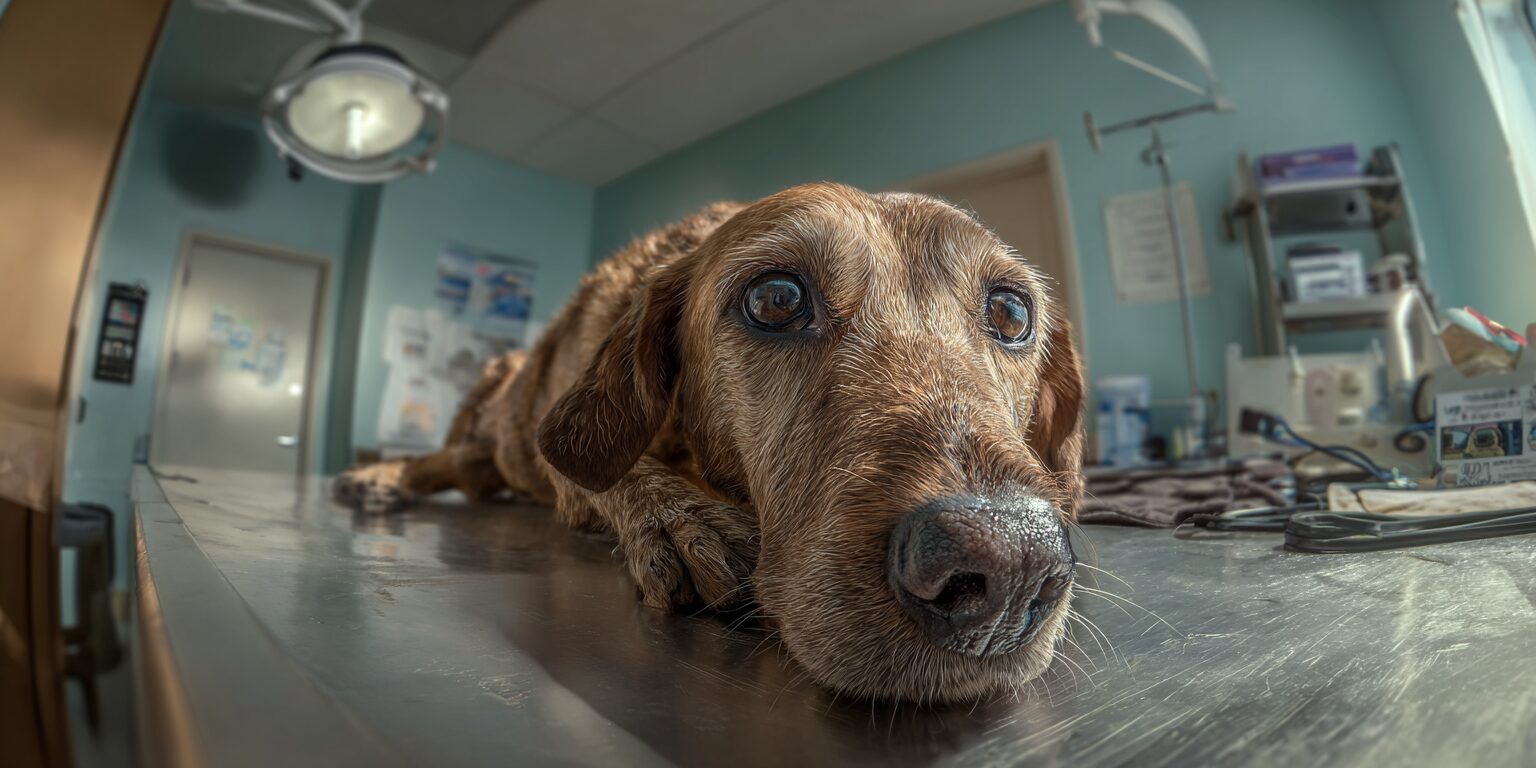
ACL surgery is one of the most common procedures in veterinary medicine for dogs with a torn ACL (anterior cruciate ligament). In dogs, the anterior cruciate ligament is called the cranial cruciate ligament (CCL), and it stabilizes the knee joint during movement.
When a dog tears this ligament, the affected leg becomes unstable, painful, and unable to support normal movement. Many dogs require surgery such as TPLO surgery, also known as tibial plateau leveling osteotomy, to restore stability and allow proper healing. Common types of dog ACL surgery include Tibial Plateau Leveling Osteotomy (TPLO), Tibial Tuberosity Advancement (TTA), Extracapsular Repair, Lateral Suture, and Tightrope CCL Repair. TPLO involves cutting the top of the tibia and rotating it to prevent the femur from sliding backward, using a metal plate and screws to hold the bone in place, and is often recommended for medium to large, active dogs. TTA involves cutting a portion of the tibia, advancing it forward, and anchoring it in place with metal implants, and is more common in larger dogs. Extracapsular repair techniques are less invasive and tend to have higher success rates in small dogs compared to large dogs. The Tightrope CCL repair technique involves creating bone tunnels in both the tibia and femur, through which a strong fiber-tape suture is passed to mimic the action of the CCL, and may be more effective in large dogs than lateral suture techniques.
Dog ACL surgery recovery is not just about the surgery performed. The recovery process determines whether a dog can return to normal activities and maintain long term joint health.
Not sure if your dog is a good candidate for additional recovery support?
Gideon
The ACL Surgery Recovery Process
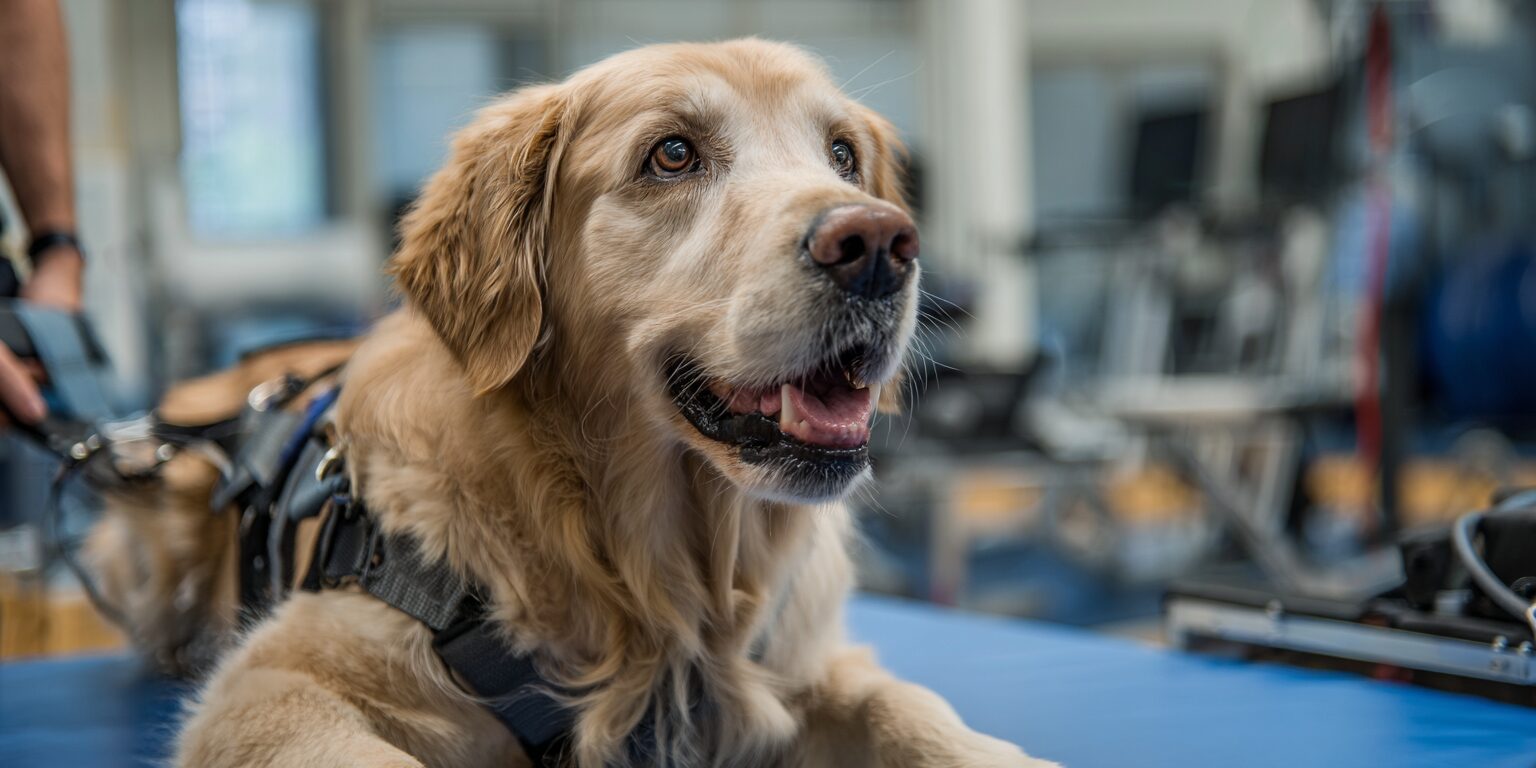
The dog’s recovery process after ACL surgery requires structure, patience, and consistency. Pet owners play a direct role in how well their dog recover.
The ACL recovery process is typically divided into phases: immediate post-op, early rehabilitation, strengthening, impact preparation, and return to sport. Prehabilitation before surgery may lead to faster recovery post-ACL surgery. Physical therapy is crucial during ACL rehabilitation and often requires exercises multiple times per week.
Following veterinary surgeons instructions during recovery and rehab is crucial for a complete return to full function.
First week
- Strict activity restrictions
- Short leash bathroom breaks only
- Pain management with prescribed pain medications
- Monitor the surgical site closely
- Limit interaction with other pets
During the first week, most dogs begin to bear weight slightly on the affected leg, but movement must remain controlled to ensure proper healing.
Weeks 2 to 6
- Gradually increase short leash walks
- Begin passive range motion exercises and PROM exercises
- Focus on improving range of motion
- Attend follow up appointments with your veterinary team
This stage focuses on maintaining joint flexibility, supporting the healing joint, and preventing muscle loss.
Want to know exactly what your dog should be doing at this stage?
Book a free consult with a clinician
Hazel Moon
Weeks 6 to 12
- Introduce low impact exercises
- Continue physical therapy
- Improve muscle strength and joint support
- Add controlled sit to stand movements
Many dogs begin to regain strength in the affected leg and improve stability in the dog’s knee.
Up to six months
- Gradual return to normal activities
- Continued focus on joint health
- Monitor for signs of arthritis or delayed recovery
Large breed dogs and active dogs may take longer to reach full recovery.
Why Proper Recovery Matters
Without proper post operative care, dogs with a torn ACL can:
- Develop arthritis in the knee joint or even tear the other knee if not properly treated
- Lose muscle strength in the hind legs
- Experience delayed bone healing
- Struggle to regain normal activities
Managing swelling through rest, ice, compression, and elevation (RICE) in the first few weeks post-ACL surgery is crucial to prevent complications and support healing.
Helping your dog recover properly reduces the risk of long term complications and supports healthier joint function.
If you are unsure whether your dog’s recovery is on track, get a clear answer
Anderson
How to Help Your Dog Recover
To support your dog acl surgery recovery:
- Keep your dog at a healthy weight
- Use a small room to limit movement
- Walk only on flat surfaces
- Follow your vet’s instructions closely
- Stay consistent with follow up visits
- Support joint flexibility and muscle strength
Controlled movement and consistency are critical to ensure proper healing.
How Red Light Therapy Supports ACL Surgery Recovery
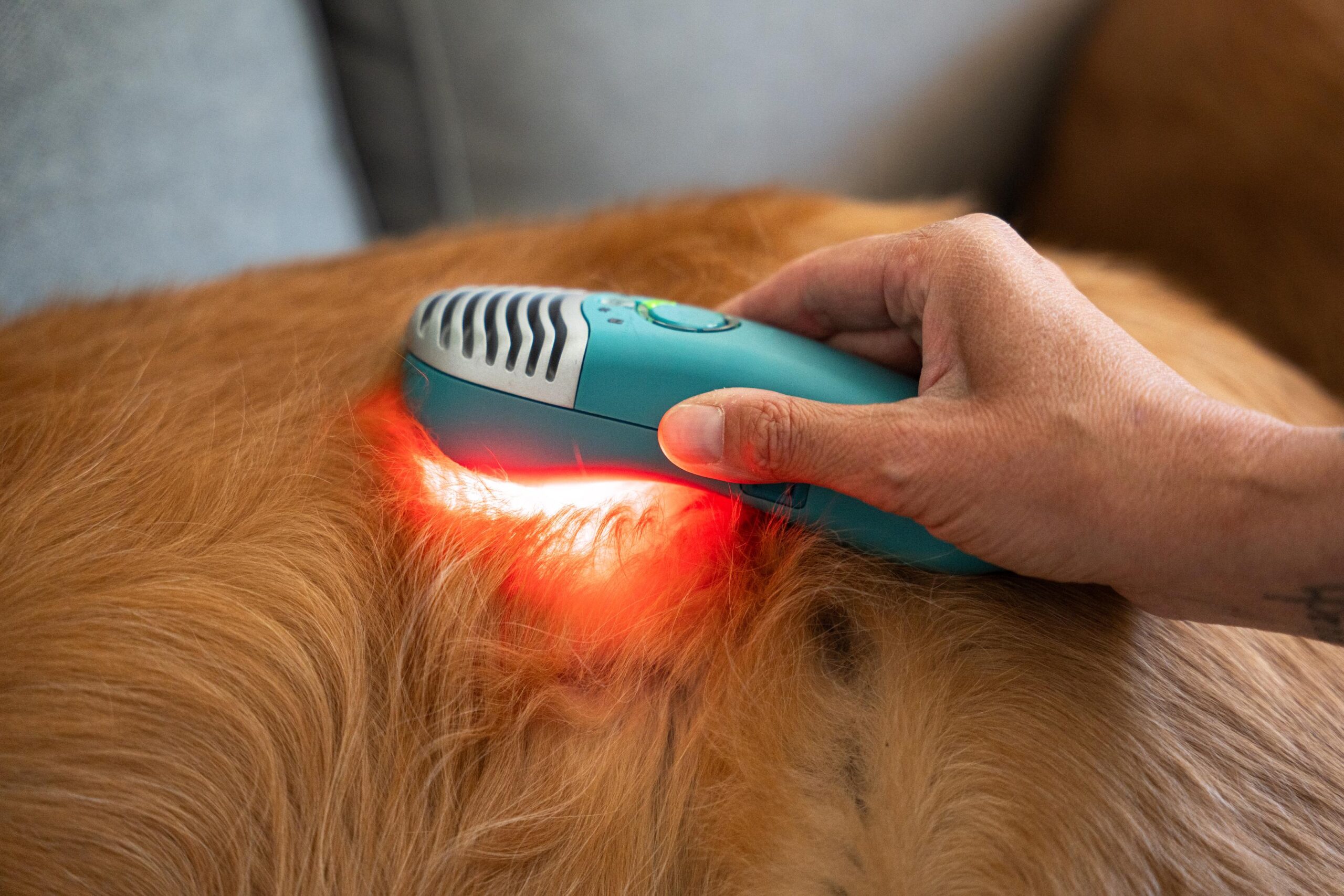
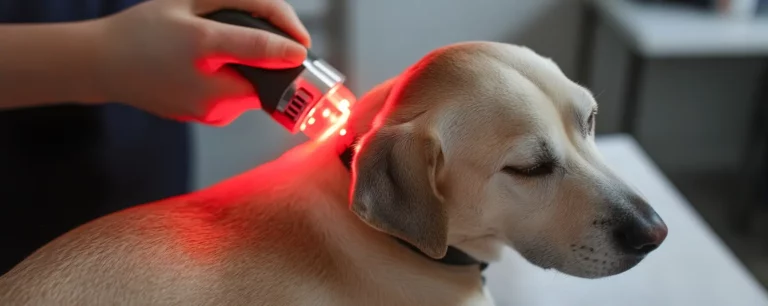
Photobiomodulation (PBM), also called red light therapy, low level laser therapy, LED therapy, cold laser, and near infrared light therapy, refers to the same therapeutic category using light energy to influence cellular biology.
Learn more about the science:
https://wordpress-358274-5601528.cloudwaysapps.com/science-of-red-light-therapy/
Red light therapy helps support the recovery process by targeting the surgical site and surrounding tissue.
Key benefits include:
- Reduce pain and post operative pain
- Reduce inflammation and swelling
- Improve blood flow and nutrient delivery
- Promote healing of damaged tissue
- Support collagen production and tissue repair
- Improve joint flexibility and range of motion
For many dogs, incorporating red light therapy into surgery recovery leads to faster healing and better outcomes.
Explore how it fits into full surgery recovery:
https://wordpress-358274-5601528.cloudwaysapps.com/red-light-therapy-surgery/
Why the MedcoVet Luma Is Effective for ACL Recovery
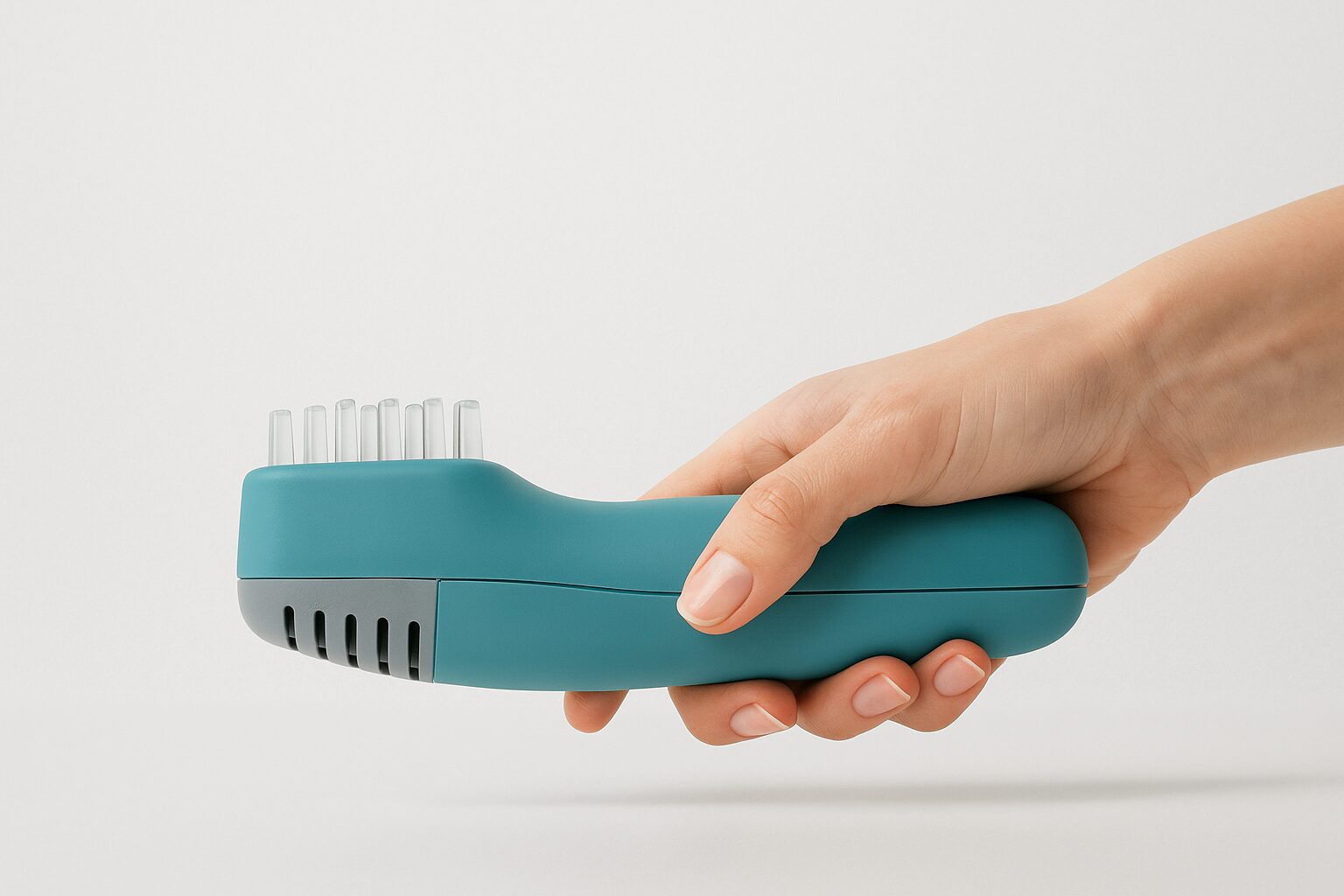
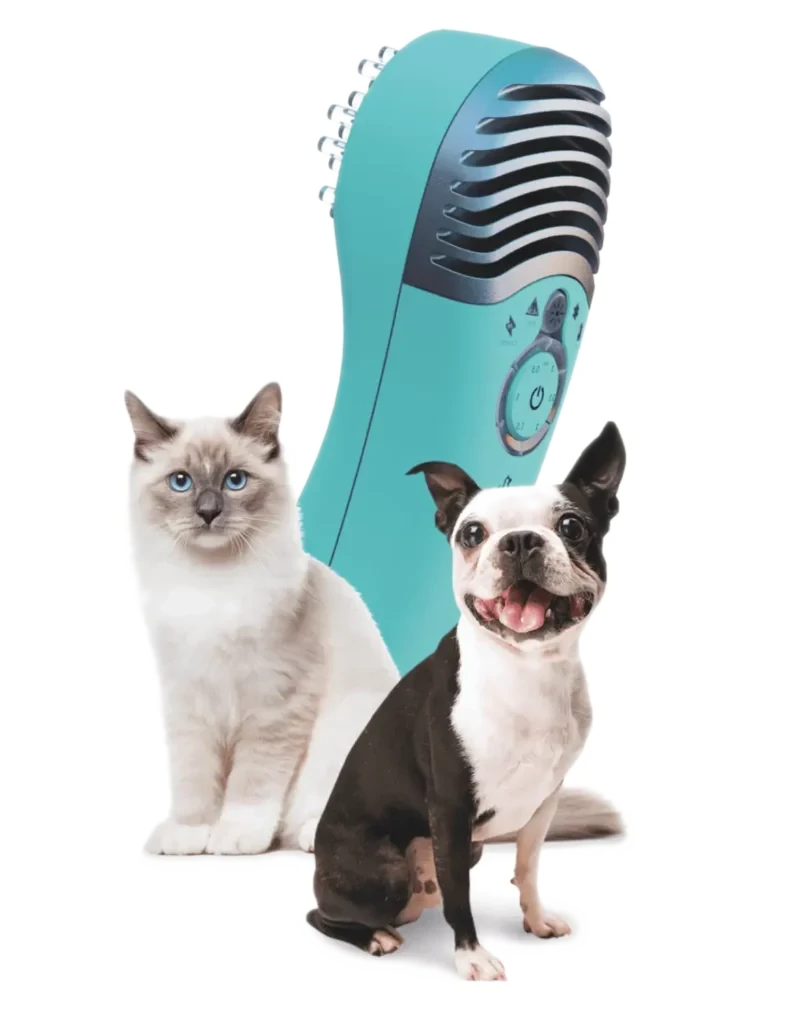
The MedcoVet Luma is designed to support dog acl surgery recovery at home.
- Uses red and near infrared light to penetrate deeply into tissue
- Supports cellular repair and bone healing
- Non invasive and safe for daily use
- Helps reduce pain without increasing reliance on pain medications
- Easy for pet owners to use consistently
This allows you to actively support your dog’s recovery instead of waiting passively.
Learn more about red light therapy for dogs:
https://wordpress-358274-5601528.cloudwaysapps.com/red-light-therapy-for-dogs/
Want to know if this will help your dog specifically?
Sprite
What to Expect During Recovery
Most dogs follow a general pattern:
Early stage
- Reduced pain and swelling
- Beginning to bear weight
Mid stage
- Improved range of motion
- Increased muscle strength
Later stage
- Return to normal activities
- Improved joint stability
Every dog’s size, health conditions, and surgical procedure will impact their recovery timeline.
When to Contact Your Vet
Pet owners should contact their vet immediately if they notice any of the following after ACL surgery:
- Increased swelling at the surgical site
- Discharge or signs of infection
- Refusal to bear weight
- Severe or worsening pain
Early intervention prevents complications and protects the healing process.
Clinical Summary
Mechanism:
Photobiomodulation increases mitochondrial activity and cellular energy production. This supports tissue regeneration, collagen synthesis, and improved blood flow while reducing inflammation in the knee joint.
Evidence level:
Moderate to strong, with support from veterinary and human clinical studies on wound healing, pain reduction, and inflammation control.
When it works best:
- Early to mid stage recovery
- Dogs with inflammation, pain, or delayed healing
- After procedures such as TPLO surgery
When not to use:
- Untreated infection at the surgical site
- Direct use over malignant tumors without veterinary guidance
- Cases where light therapy is contraindicated
Support Your Dog’s Recovery
Helping your dog recover from ACL surgery takes consistency, patience, and the right tools.
Is red light therapy right for your dog?
If you want a clear answer on what to do next based on your dog’s recovery stage:
Or get a personalized plan from a clinician:
Lucy
Common Questions About ACL Surgery Recovery
Still unsure if your dog is on the right recovery path?
Matilda
Evidence Citations
🐾 Ready to Take the Next Step?
Whether you’re just learning or ready to act — we’ve got you.
👉 Book a Free Consult
Talk to a licensed clinician about your pet’s condition and get a personalized plan. No pressure, just real help.
👉Learn More About the Luma
Explore how our at-home red light therapy device works, why it’s different, and what it can do for your pet.

About the Author
Alon Landa is the CEO and co-founder of MedcoVet, a leader in at-home red light therapy for pets. With over 20 years of experience in medical technology and firsthand involvement in developing the Luma, Alon combines deep technical knowledge with a passion for improving pet health. He regularly collaborates with veterinarians and pet parents to advance photobiomodulation (PBM) care at home.
📍 Based in Boston, MA
📖Read more from Alon here
About the Medical Reviewer
Clinical Focus: Surgery, anesthesia, canine fitness, injury prevention, agility
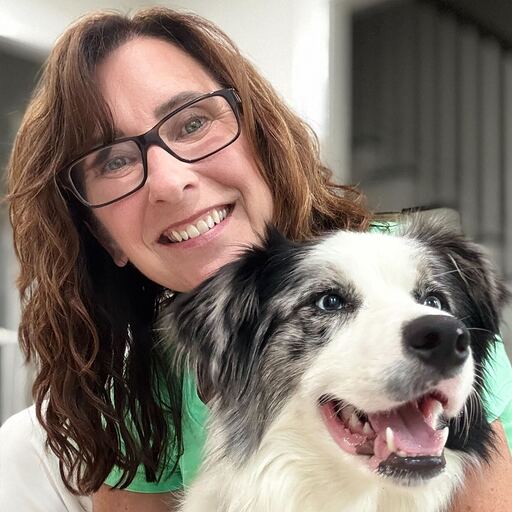
Kristy Williams brings over 30 years of experience to the veterinary field. Her career began in the 1990s, working as a civilian for the Army Veterinary Corps at RAF Feltwell in England, where she first discovered her passion for animal care and supporting their families. Upon returning to the United States, Kristy pursued her education and graduated in 2005 as a certified veterinary technician after passing the national exam. She has since gained extensive experience in both general practice and emergency/referral practices.
Read More about Kristy here.