My Dog Is Limping But Shows No Sign of Pain:
What You Should Know
Your dog’s limp may not look painful, but it’s their way of saying something’s wrong. Learn what it means, what to do, and how to help them heal faster.
7 quick questions • Instant insights • Free personalized results
Medically reviewed by: Kristy Williams, CVT, CCFT (Specialties: Pet rehabilitation, pain management, photobiomodulation)
Reviewed: [May 2026]
Updated: [June 2026]
This page is part of MedcoVet’s clinical education library on photobiomodulation in veterinary medicine. It is designed to explain why dogs limp even when they do not appear painful, how veterinarians evaluate lameness, where red light therapy may fit into treatment, and when veterinary assessment should come first.
Seeing your dog limping but showing no sign of pain can be puzzling and unsettling. Even without obvious pain, limping usually suggests an issue that needs attention. Monitoring your dog’s health closely is essential to prevent limping from becoming a more serious problem and to address any underlying health concerns promptly. In this guide, we’ll explore why your dog might be limping, the common causes, whether you should see a vet, and potential treatments, especially if my dog is limping but shows no sign of pain.
Can red light therapy help a dog that is limping but not showing signs of pain?
Photobiomodulation, also called PBM, red light therapy, low-level laser therapy, LED therapy, cold laser, and near-infrared therapy, refers to the same therapeutic category using light energy to influence cellular biology. In dogs with diagnosed causes of lameness, PBM may help reduce pain and inflammation, support blood flow, and improve tissue recovery as part of a broader veterinary treatment plan. It is most appropriate after the cause of limping has been evaluated, especially when fracture, neurologic disease, infection, or significant joint instability may be involved.
👉 Want a deeper look at the science behind how red light therapy works?
/science-of-red-light-therapy/
Key Takeaways
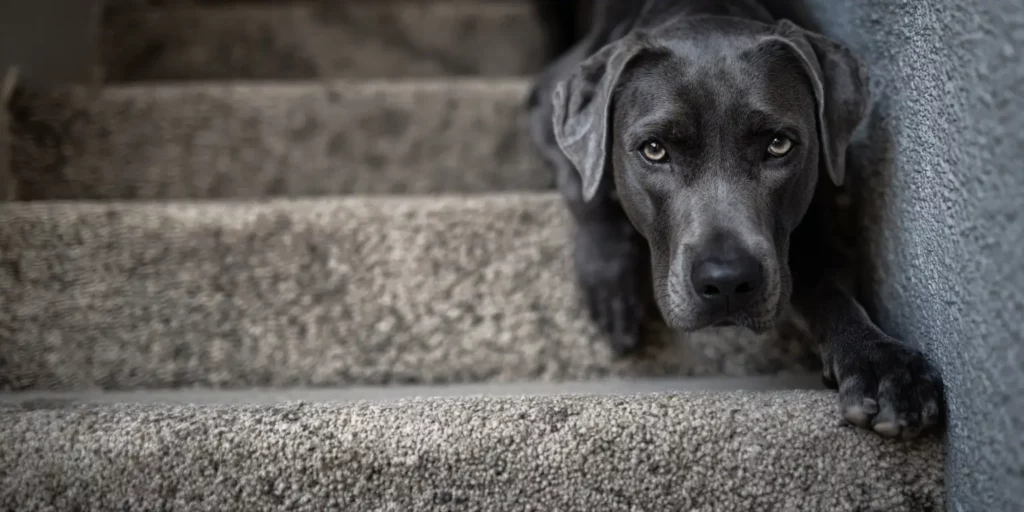
If a dog is limping, they’re almost always protecting a painful area, even if they don’t cry, whine, or yelp. Monitoring your dog’s symptoms—such as changes in gait, reluctance to move, or subtle shifts in behavior—is crucial for early detection of health issues. Dogs often hide pain as a survival trait. Don’t ignore lameness—early diagnosis prevents long-term mobility loss.
- Dogs often hide their pain, so limping may indicate a serious issue even if there are no vocal signs of discomfort.
- Common causes of limping without apparent pain include chronic conditions, ligament injuries, ruched/ hunched posture, and neurological issues, which require veterinary evaluation.
- Early arthritis can cause subtle limping without obvious pain; recognizing and addressing early arthritis is important to prevent progression.
- Red light therapy (PBM / The Luma) can alleviate pain and inflammation and support tissue healing under a veterinarian’s supervision.
Wondering if red light therapy could actually help your dog’s limp?
Grab the Red-Light Therapy Roadmap- a vet-reviewed 5-minute guide that explains the science, safety, and when it works best.
Mizzy
Introduction
Dogs are resilient creatures, often masking their pain and discomfort. This can be misleading and might cause pet owners to overlook subtle signs of distress. It is important to recognize a dog’s symptoms, even if they are subtle, as early detection can make a significant difference. Pet parents should be vigilant in monitoring their dog’s symptoms and behaviors. It’s also crucial to watch for other symptoms that may accompany limping, such as swelling, lethargy, or changes in appetite. When a dog starts limping, it’s a clear clinical sign that something is wrong. Ignoring it can lead to chronic deterioration and long-term mobility issues.
This guide will delve into:
- The most common causes of dog limping without apparent pain
- When to see a vet
- How veterinarians diagnose the problem
- The available treatment options, including the use of red light therapy like The Luma
A thorough examination can help identify issues like foreign objects in your dog’s paw or other underlying conditions.
Why Dogs Limp Without “Showing Pain”
Dogs rarely vocalize pain. They might slow down, avoid stairs or jumping, shift their weight, or briefly toe-touch, making it seem the limping isn’t causing discomfort. However, changes in a dog’s gait or the presence of limping, even if your pet is not crying out, are important signs to monitor and may indicate underlying health issues.
Gradual or intermittent pain from conditions like osteoarthritis can become the “new normal” for a dog, fooling owners into thinking all is well. A limp typically indicates pain until proven otherwise. Pain management is important even when dogs do not show obvious signs of discomfort, as addressing subtle pain can help maintain their mobility and quality of life.
If you’re seeing these subtle signs and wondering whether your dog is a good candidate for light therapy, take the 2-minute vet-reviewed quiz.
Anderson
Limping without crying is still a pain problem
A dog that is limping but not crying is not necessarily comfortable. Dogs often mask discomfort, especially with chronic pain, degenerative joint disease, or intermittent lameness. In many cases, limping is one presentation of a broader issue involving pain in dogs, reduced function, inflammation, or mechanical instability.
Common Causes When a Dog Limps but “Doesn’t Seem in Pain”
Dogs often hide significant pain instinctively, complicating the identification of an underlying condition. Conditions not causing acute discomfort can still result in limping in dogs, particularly if there is an issue with the back leg. A chronic limp lasting more than two weeks may indicate underlying conditions such as arthritis and requires veterinary evaluation.
Common causes include chronic conditions, ligament injuries, mechanical issues, and muscle strain. Sudden limping may be due to trauma or orthopedic problems and should be assessed promptly. If your dog suddenly starts limping, prompt veterinary care and diagnostic tests are important to determine the cause and ensure proper treatment. When evaluating a dog’s limp, it’s important to consider the severity and possible underlying causes; if your dog’s limp is persistent, worsening, or accompanied by other concerning symptoms, veterinary care is needed to ensure proper diagnosis and treatment. Any signs of a serious injury, such as inability to bear weight or visible deformity, require immediate veterinary attention.
Chronic or Degenerative Conditions
Osteoarthritis, hip dysplasia, and elbow dysplasia are common chronic conditions that can lead to ongoing limping. These conditions often cause mild limping without signs of pain due to joint instability. Degenerative joint disease can lead to intermittent limping as dogs may not exhibit pain until the condition worsens.
Breeds predisposed to these health conditions often display subtle changes in their dog’s gait, which may indicate a gradual onset of issues.
Supporting your dog’s joints with appropriate treatments—such as joint supplements, medications, or environmental adjustments—can help improve mobility and comfort.
Ligament & Soft-Tissue Injuries
Injuries to a dog’s soft tissues, such as ligaments and tendons, are common causes of limping without obvious pain. Joint injury can also result in lameness and may require specific diagnostic and treatment approaches. Minor injuries, such as strains or sprains, may not present with severe pain but can cause noticeable limping during activity, especially in cases involving an injured leg.
A partial tear in the cranial cruciate ligament might result in occasional limping, despite the dog appearing comfortable. These injuries require careful monitoring to prevent further ligament damage.
Mechanical or Neurological Issues
A luxating patella can intermittently cause limping, but dogs often resume normal activity once the dislocated kneecap returns to place. This can be misleading for pet owners.
Neurological disorders can lead to changes in the affected limb movement and possibly cause limping without visible pain. Limb dragging may indicate severe nerve damage or paralysis and requires urgent veterinary assessment. These conditions often require specialized diagnostic tests to identify the underlying cause.
Other Causes of Intermittent Lameness
Infectious diseases like Lyme disease can cause shifting leg lameness in the affected leg or one or more legs, which may not be accompanied by pain in the front leg. This can make diagnosis challenging.
Foot-related issues such as foreign objects embedded in paws or torn nails may cause intermittent limping without significant discomfort. A foreign object stuck in your dog’s paw can lead to limping, licking, or chewing at the area, and should be carefully examined and removed if found. Regular paw inspections can help identify these issues early. If your dog is limping, it’s important to limit your dog’s movement to prevent further injury and promote healing.
When to Seek Veterinary Care
If your dog has a mild limp that lasts for more than 24-48 hours or recurs after activity, it’s time to consult a veterinarian. Persistent dog’s lameness or difficulty walking may indicate a more serious underlying issue that requires prompt attention. Worsening mobility over days or weeks is another red flag.
Immediate veterinary attention is required if your dog shows:
- Hesitancy to bear weight
- A non-weight-bearing limp
- Systemic signs like lethargy, fever, swelling, heat, or wounds
- Severe injuries, sudden, or traumatic limping
- Other symptoms such as vomiting, trouble breathing, or sudden behavioral changes
In non-emergency cases, your regular veterinarian can assess and manage your dog’s lameness.
What Your Vet Will Do (Diagnosis Workflow)
Your veterinarian will start with:
- A history and gait assessment to understand the onset, activity triggers, and any relevant behaviors. A thorough physical exam and physical examination are essential to identify the cause of limping, including palpation of joints, checking reflexes, and observing the dog’s gait.
- An orthopedic exam and palpation to check joints and soft tissues.
- Special tests for conditions like cranial cruciate ligament tears.
A neurologic screen may be conducted to assess proprioception, reflexes, and spinal health. Imaging techniques like radiographs can help evaluate joints and rule out fractures, while advanced imaging (CT/MRI) is used for complex cases. Lab tests are often performed when infectious or inflammatory diseases are suspected.
Treatment Options
Treatment depends on the specific diagnosis but may include a combination of medical management, physical therapy, and advanced imaging. A veterinary clinic can provide comprehensive diagnostic and treatment services for limping dogs. Red light therapy, like The Luma, can be an adjunct to reduce pain and inflammation and support tissue healing.
Do not give your dog human pain medications, as many are toxic to pets and should only be used under direct veterinary guidance.
Before you buy any device, read the Smart Pet Parent’s Guide to Choosing a Red-Light Therapy Device. It breaks down specs, scams, and what really matters in healing power.
Matilda
Osteoarthritis (OA) / Joint Issues
Managing osteoarthritis in dogs often requires a combination of treatment strategies, including:
- NSAIDs
- Weight control
- Joint nutraceuticals
- Controlled exercise
Physical therapy and rehabilitation exercises play a crucial role in maintaining joint health and addressing joint problems.
Red light therapy can reduce inflammation and pain, support joint metabolism, and may improve range of motion and activity. One in five dogs will experience arthritis during their lives, making this a widespread issue.
Not all light therapy is equal, see how The Luma stacks up against other home devices in our side-by-side Comparison Guide.
Otis
Hip Dysplasia
Treatment for hip dysplasia often involves weight control, activity modification, and targeted strengthening exercises. Surgical options like juvenile pubic symphysiodesis (JPS), total hip replacement (THR), or Femoral Head Ostectomy (FHO) may be necessary in severe cases.
Red light therapy can be an adjunct treatment to relieve periarticular pain and inflammation and support post-operative tissue healing. Maintaining a healthy weight is crucial for managing hip dysplasia symptoms.
Elbow Dysplasia
Elbow dysplasiais managed through:
- Medical treatments like NSAIDs and intra-articular options
- Surgical interventions like arthroscopy
- Rehabilitation exercises, which are essential for maintaining joint health.
Red light therapy can help modulate synovitis pain and support post-arthroscopy healing. This condition causes degradation of cartilage, leading to pain and restricted movement.
Minor Sprains or Strains
Conventional treatments for minor sprains or muscle strains include rest, leash-only walks, and gradual return to activity. Rehabilitation exercises are crucial for recovery.
Red light therapy can help resolve soft-tissue inflammation, promote collagen remodeling, and improve circulation. Arthritis is a widespread issue among pets, affecting many irrespective of age.
Partial Cruciate (CCL) Tear
Activity restriction, weight management, and bracing are essential for dogs recovering from partial cranial cruciate ligament tears. Many cases progress to surgical stabilization.
Red light therapy can be used as an adjunct for periarticular inflammation and to support post-operative recovery. Pets with CCL injuries may exhibit limping and discomfort, particularly in their hind legs.
Luxating Patella (MPL)
Treatment for luxating patella is often based on the severity of the condition, with many cases requiring surgery. Structured rehabilitation is crucial for recovery. Red light therapy can reduce post-operative pain and inflammation and support healing.
This condition can cause intermittent limping without significant discomfort.
Nerve Damage / Neurological Issues (incl. Degenerative Myelopathy)
Management of neurological issues often includes physiotherapy, assistive devices, and multimodal pain control. These conditions require specialized care to manage symptoms effectively.
Red light therapy may help mitigate secondary injury cascades and encourage axonal support, enhancing recovery. Nerve-related issues can cause limping without visible pain.
Infectious or Immune-Mediated Joint Disease
Effective treatment for immune-mediated joint diseases typically involves targeted antimicrobials and anti-inflammatory therapies. Red light therapy can provide symptomatic relief of joint inflammation but does not replace pathogen-directed treatment.
Paw/Foot Injuries
Conventional treatments for paw injuries or foot injuries include removing foreign objects, treating torn nails or pad wounds, and ensuring the affected foot area is clean and rested, including addressing a broken toenail. More severe injuries, such as a broken bone, broken bones, or a broken leg, require immediate veterinary attention and may need surgical intervention. Regular inspections can identify and address these issues early.
Red light therapy can speed up soft-tissue healing and reduce local pain and inflammation. These injuries can cause intermittent limping without significant discomfort.
Looking for a complete guide to photobiomodulation in dogs? See red light therapy for dogs.
At-Home Care & Activity Guidelines (Under Vet Guidance)
For mild, non-progressive lameness:
- Provide short-term rest and leash-only walks for 24–48 hours.
- Ensure your dog has a comfortable living environment.
- Consider non-slip flooring.
- Use ramps for couches, cars, or stairs to prevent further injury.
If minor injuries are left untreated, they can progress to more serious joint or mobility issues over time. Injuries from interactions with other pets can also lead to limping or infections, so monitoring play and behavior is important.
Weight management helps unload stressed joints. Structured low-impact exercises, such as regular walks or an underwater treadmill prescribed by your veterinarian, can maintain your dog’s mobility and overall health.
Use red light therapy at home (The Luma) as per clinician-set doses and frequency while monitoring your dog’s response and activity tolerance.
Ready to see how red light therapy fits into your dog’s recovery plan?
Watch the 15-Minute Miracle Crash Course, a quick, vet-led walkthrough that shows how red light therapy turns pain into play.
Huxley
Managing Your Dog’s Limp
When your dog is limping, even without signs of obvious pain, it’s a signal that something isn’t right with their affected leg or overall joint health. Dogs are experts at hiding discomfort, so it’s crucial for pet owners to take any limp seriously and act quickly to protect their dog’s health.
The first step in managing a limping dog is to schedule a physical examination with your veterinarian. A thorough assessment helps pinpoint the underlying cause—whether it’s degenerative joint disease, hip dysplasia, or soft tissue injuries. Each of these conditions can impact your dog’s movement in different ways, and only a professional evaluation can determine the best course of action.
Degenerative joint disease and hip dysplasia are common culprits behind chronic limping, especially in senior dogs or certain breeds. These joint problems can lead to instability and gradual loss of mobility if left untreated. Soft tissue injuries, such as strains or sprains, may cause your dog to limp occasionally or after activity, even if they seem otherwise comfortable.
Once your veterinarian identifies the underlying cause, they’ll recommend appropriate treatment tailored to your dog’s specific needs. This might include perscribed medication, rest, physical therapy, weight management, or advanced therapies to support joint health and prevent further injury. Following your vet’s guidance and monitoring your dog’s symptoms closely will help ensure a smooth recovery and reduce the risk of chronic issues.
Remember, early intervention is key. By addressing your dog’s limp promptly and working with your veterinary team, you can help your furry friend regain comfort, mobility, and a better quality of life.
Preventing Limping in Dogs
Preventing limping in dogs starts with a proactive approach to your furry friend’s overall health and well-being. As a pet parent, you play a crucial role in minimizing the risk of your dog developing a limp, whether from hip dysplasia, degenerative joint disease, ligament injuries, or other joint problems. By focusing on prevention, you can help your dog avoid severe pain, chronic limp, and the need for more intensive treatments down the road.
Here are some essential steps to help prevent limping in dogs:
- Maintain a Healthy Weight: Keeping your dog at a healthy weight is one of the most effective ways to protect their joints and legs. Excess weight puts additional strain on the affected leg or limb, increasing the risk of joint health issues, ligament injuries, and degenerative joint disease. Regular exercise and a balanced diet tailored to your dog’s needs can help prevent unnecessary stress on their legs.
- Choose Low-Impact Activities: While playtime is important, high-impact activities like jumping or sudden sprints can lead to joint injury or further injury, especially in dogs prone to hip dysplasia or other joint problems. Opt for low-impact exercises such as walking or swimming to keep your dog active without overloading their joints.
- Schedule Regular Veterinary Care: Routine check-ups allow your veterinarian to perform a thorough examination, including a physical exam and, if needed, advanced imaging. Early detection of underlying causes—such as joint diseases or ligament tears—can make a significant difference in your dog’s long-term mobility and comfort.
- Keep Nails Trimmed: Overgrown nails can alter your dog’s gait and cause discomfort, leading to limping or difficulty walking. Regular nail trims help your dog maintain proper paw alignment and reduce the risk of injury to one or more legs.
- Create a Safe Environment: Slippery floors can cause your dog to slip and injure an affected foot or leg. Use non-slip mats or rugs in areas where your dog spends time to help prevent falls and related injuries.
- Monitor Your Dog’s Gait: Pay close attention to any changes in your dog’s movement. If you notice your dog is limping, favoring one leg, or having difficulty walking, seek veterinary care promptly. Early intervention can relieve pain and prevent a minor issue from becoming a chronic limp or severe pain.
Being aware of the subtle signs of limping in dogs, such as reluctance to jump, favoring one leg, or swelling in the affected limb—can help you act quickly. If your dog shows any of these symptoms, a prompt visit to your veterinarian for a physical exam and possible advanced imaging is essential to determine the underlying cause and start appropriate treatment.
By maintaining a healthy weight, choosing safe activities, and prioritizing regular veterinary care, you can help protect your dog’s joint health and reduce the risk of limping. Remember, prevention is always better than cure. If your dog is limping, don’t wait—seek veterinary care to ensure your pet receives the best possible support and to help relieve pain before it becomes a more serious issue. With the right care and attention, you can keep your furry friend active, comfortable, and happy for years to come.
When to Escalate or Recheck
If there is no improvement after 24–48 hours of rest for mild lameness, it’s time to recheck with your vet. Recurring limps after activity, a worsening trend, or new neurological signs such as knuckling or dragging should also be flagged for immediate veterinary attention.
Post-operative setbacks, including swelling, heat, or persistent non-weight-bearing, necessitate a follow-up with your veterinary professional. Any signs of systemic illness, such as fever, lethargy, or inappetence, should also prompt an urgent vet visit. Other signs, such as changes in appetite, behavior, or mobility, should also be monitored closely.
Summary
In summary, a dog limping is never “nothing”—it’s usually an indicator of pain, even if your dog doesn’t cry out. Early diagnosis and treatment are vital to preventing chronic disability and ensuring your furry friend stays active and healthy. Take proactive steps to ensure your dog’s health and well-being by consulting with veterinary professionals and utilizing tools like red light therapy for comprehensive care.
Your dog’s limp isn’t “just getting older.”
Book a Free 30-Minute Consultation with a MedcoVet clinician.
A certified vetrinary specialist will assess your dog’s condition, explain how red & near-infrared light target it, and build a custom plan you can start at home. No pressure, just clarity.
Ghillie
Frequently Asked Questions
🐾 Ready to Take the Next Step?
Whether you’re just learning or ready to act — we’ve got you.
👉 Book a Free Consult
Talk to a licensed clinician about your pet’s condition and get a personalized plan. No pressure, just real help.
👉Learn More About the Luma
Explore how our at-home red light therapy device works, why it’s different, and what it can do for your pet.

About the Author
Alon Landa is the CEO and co-founder of MedcoVet, a leader in at-home red light therapy for pets. With over 20 years of experience in medical technology and firsthand involvement in developing the Luma, Alon combines deep technical knowledge with a passion for improving pet health. He regularly collaborates with veterinarians and pet parents to advance photobiomodulation (PBM) care at home.
📍 Based in Boston, MA
📖Read more from Alon here

About the Medical Reviewer
Clinical Focus: Surgery, anesthesia, canine fitness, injury prevention, agility
Kristy Williams brings over 30 years of experience to the veterinary field. Her career began in the 1990s, working as a civilian for the Army Veterinary Corps at RAF Feltwell in England, where she first discovered her passion for animal care and supporting their families. Upon returning to the United States, Kristy pursued her education and graduated in 2005 as a certified veterinary technician after passing the national exam. She has since gained extensive experience in both general practice and emergency/referral practices.
Read More about Kristy here.